You call me a misanthrope because I avoid society. You err; I love society. Yet in order not to hate people, I must avoid their company.
I have cited the quote above from 19th century artist Caspar David Frederich a number of times when speaking before groups as an explanation for my reclusiveness.
It is said in a tongue-in-cheek manner but there is some truth in it. Actually, a lot of truth.
But we’re not going into that today. Instead, I thought I would share a blog entry from ten years ago featuring Frederich’s work. I have added a few more images to the original post. This is only a tiny sampling from his impressive body of work.

Caspar David Frederich- Abbey Among Oak Trees
A picture must not be devised but perceived. Close your bodily eye, that you may see your picture first with the eye of the spirit. Then bring to light what you have seen in the darkness, that its effect may work back, from without to within.
–Caspar David Frederich
I often find myself identifying strongly with the words and work of the 19th century German painter Caspar David Frederich (1774-1840). His work often takes a symbolic stance with expansive landscapes that overwhelm the human presence in them and much of it moves toward the metaphysical. He, along with his British contemporary JMW Turner, were at the forefront of the movement from Classicism to paintings that reflected the inner emotional reaction of the individual to the world around them.
It was said of Frederich that he was “a man who has discovered the tragedy of Landscape.” I see this in his often moody and contemplative work. It is not painting of only a place or scene– it is more a painting of emotion, of some inner vibration triggered by what is before the painter. His brilliance is in capturing that inner element and revealing it to the viewer. It’s a rare thing, one that I think most painters aspire to obtain in their own work. I know that I do.
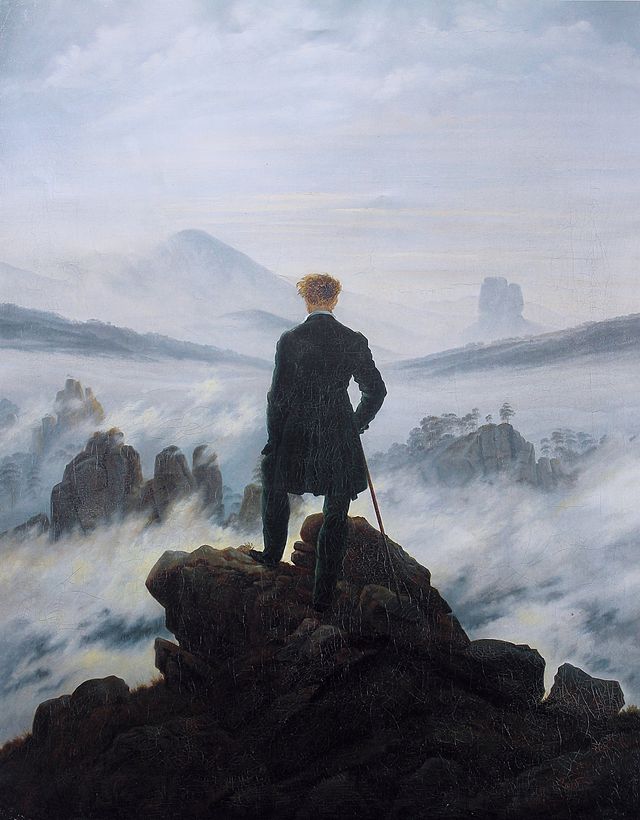 Frederich’s work fell from favor in the latter stages of his life but the coming of modern art movements, comprised of many painters were greatly influenced by Frederich, brought him back to greater recognition through the first few decades of the 20th century. Unfortunately for Frederich, in the 1930’s his work was associated with the Nazis who mistakenly saw his work as being nationalistic in its symbolism. I know that the piece shown here on the right, Wanderer Above the Sea of Fog, is often associated with Friedrich Nietzsche’s idea of the Übermensch or Superman. Even though Frederich died years before Nietzsche was born and almost a century before the Nazis usurped his art, it took several decades before his work regained the stature it lost due to this association.
But the inner message of his landscapes persevered, and his paintings still resonate with the potency of their timeless qualities today. As they should.
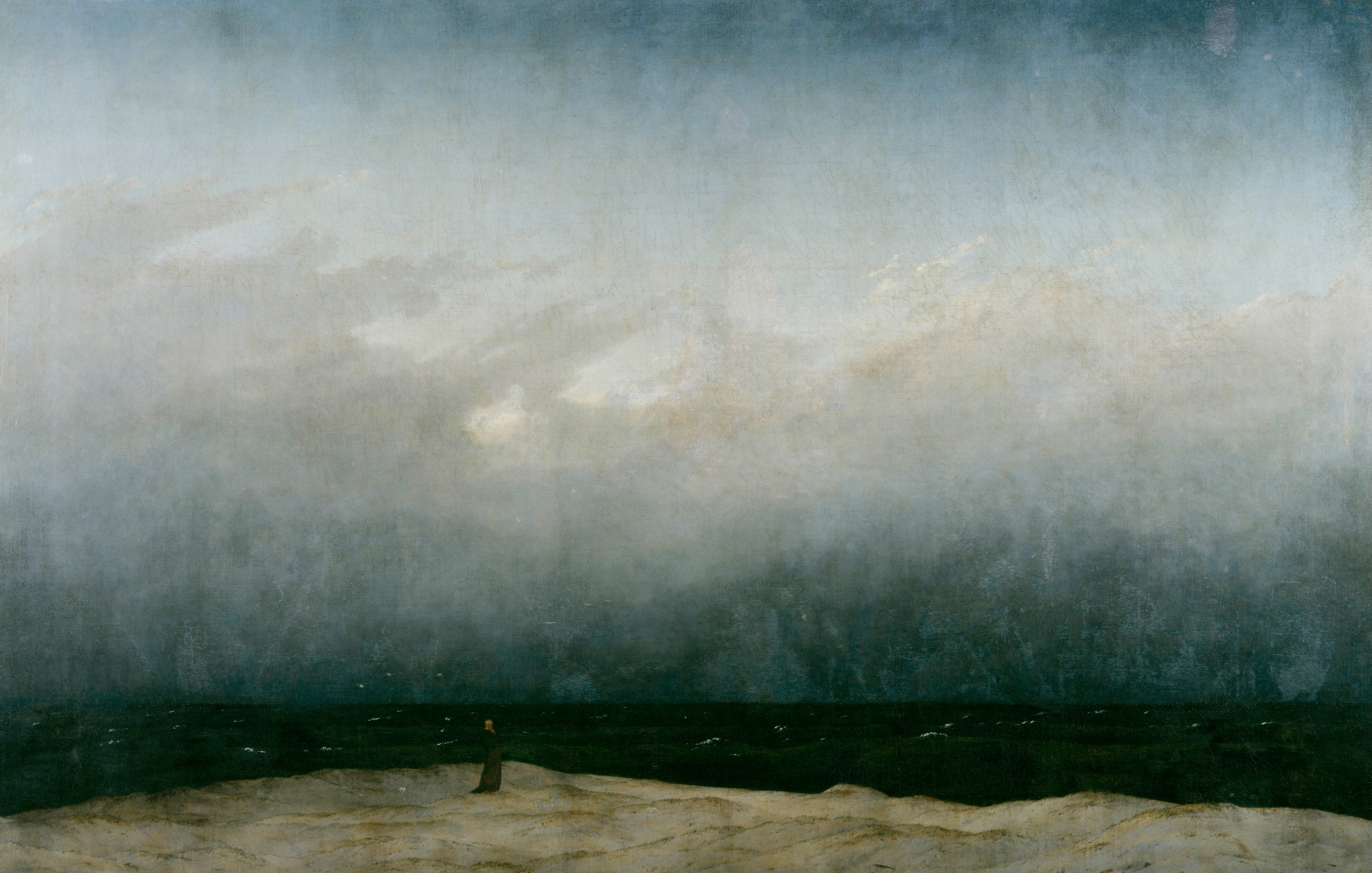
Caspar David Friedrich- Monk by the Sea


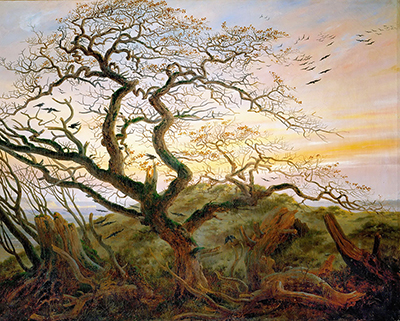
 Redtree Times
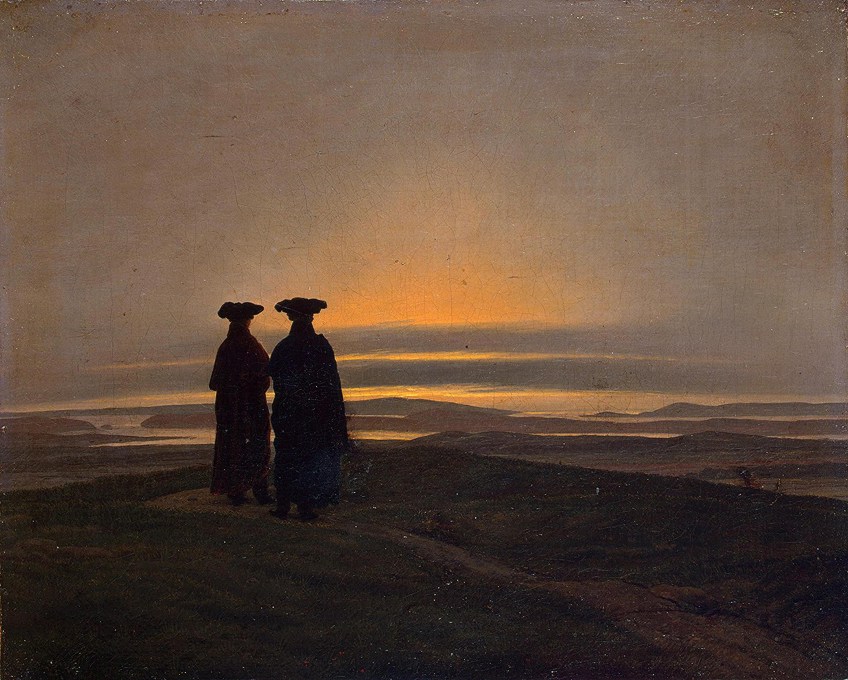
Your opening shared quote reminds me of a quote from a movie and I believe they “borrowed” it and tweaked it a bit from Caspar D Frederich. The movie was Ghost Town and he didn’t mind crowds so much as the individuals in them. I also appreciate you sharing art from Frederich. Some are slightly eerie but still hauntingly beautiful and the final one makes my think of my ancestors … either looking forward to what is to come or looking back from whence they came. Thank you for enlightening this reader with this article.