Feeds:
Posts
Comments

silience

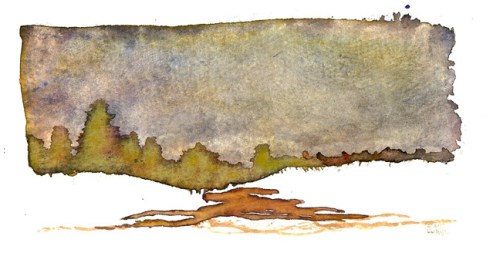
GC Myers Early Work 1994-Winter Park

Winter Park -1994


silience
n. the kind of unnoticed excellence that carries on around you every day, unremarkably—the hidden talents of friends and coworkers, the fleeting solos of subway buskers, the slapdash eloquence of anonymous users, the unseen portfolios of aspiring artists—which would be renowned as masterpieces if only they’d been appraised by the cartel of popular taste, who assume that brilliance is a rare and precious quality, accidentally overlooking buried jewels that may not be flawless but are still somehow perfect.

–The Dictionary of Obscure Sorrows


I came across the word above. silience, while browsing through a site I’ve mentioned here a number of times in the past, The Dictionary of Obscure Sorrows. It reminded me of the many bits of serendipity that brought me to the life and career I have been so fortunate to have and how lucky I have been in encountering people who didn’t just walk by without noticing my work.

It makes me feel grateful, indeed. It also makes me feel somewhat guilty for my good fortune when I know with absolute certainty that there are equally talented people out there whose work and abilities has gone unnoticed. I often see or hear the work of folks who have yet to find an audience and wonder how this could be. I find myself rooting for them, wanting them to continue to do whatever they do so that their work might someday find its way into a situation that will shine a light on it.

It also makes me somewhat guilty for the time that I have wasted, for the bits of hubris I have displayed at times when mistaking the serendipity I have encountered for some sort of entitlement.

Its a needed reminder that any notice my future work receives must be earned anew and that I must take notice of and encourage the talents of others.

On the The Dictionary of Obscure Sorrows site, I noticed there is an actual book coming out in November from the person behind the whole shebang, John Koenig. Looks like something I will look into. But while there I also noticed that they have a YouTube video channel that features visual representations of the definitions contained in the dictionary. Quite well done and effective.

Here’s the video for silience:


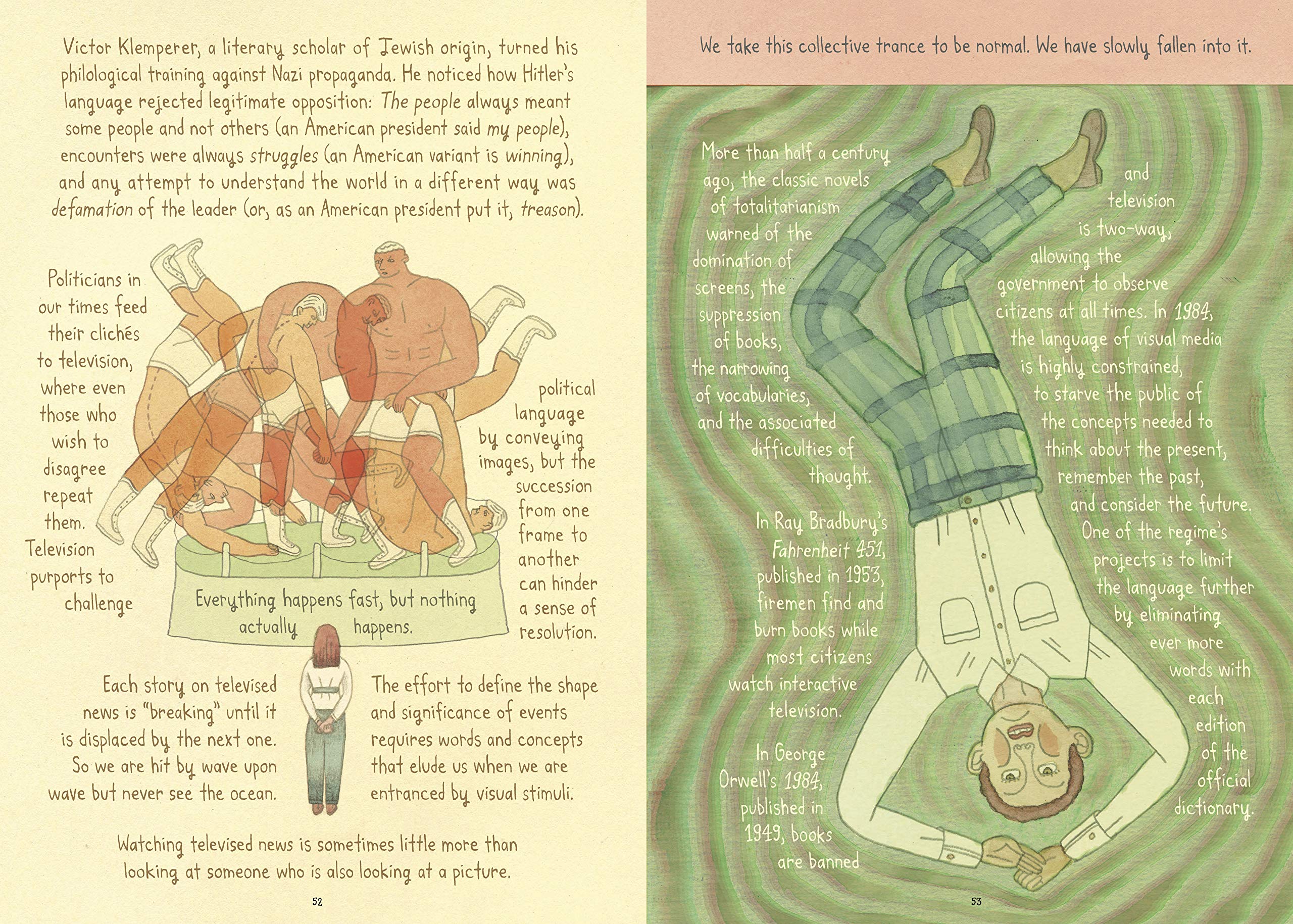
Nora Krug On Tyranny Tim Snyder

Tim Snyder’s On Tyranny, Illustrated by Nora Krug


I have a little book in a couple of spots around my studio, one stained from multiple coffee spills. It’s On Tyranny, from historian Tim Snyder, first published in 2017. 

It’s a book that I have given copies away to a number of people and one that I often pick up to read just a few of its short pages when I am need of some affirmation that there are people out there who are paying attention and seeing the same patterns and behaviors observed in the past taking place now. You wouldn’t think that would be comforting but in a time when previously unacceptable acts of corruption and malignance have become normalized and all too commonplace, it is good to know that there are folks out there sounding the alarm.

Evil in the form of tyranny and fascism doesn’t happen in fell swoops. It is an insidious growth, often overlooked until it has fully taken hold. As the late chronicler of authoritarianism Hannah Arendt put in her book Eichmann in Jerusalem: A Report on the Banality of Evil:

Good can be radical; evil can never be radical, it can only be extreme, for it possesses neither depth nor any demonic dimension yet–and this is its horror–it can spread like a fungus over the surface of the earth and lay waste the entire world. Evil comes from a failure to think. It defies thought for as soon as thought tries to engage itself with evil and examine the premises and principles from which it originates, it is frustrated because it finds nothing there. That is the banality of evil.

Snyder’s book lays out the warning signs of authoritarianism in a way that is easily digested and applied to current events. It has been a huge success and went through many printings in the past 4 years.

Today, October 5, is the publication date for a new edition of the book in collaboration with acclaimed illustrator Nora Krug. The graphics add a layer of depth to the already engaging narrative.

I thought I would share a few of the pages here this morning, just to give you a taste of how the imagery interacts with the words.


Nora Krug On Tyranny Tim Snyder 2Nora Krug On Tyranny Tim Snyder 3Nora Krug On Tyranny Tim Snyder 4

When the Cock Crows

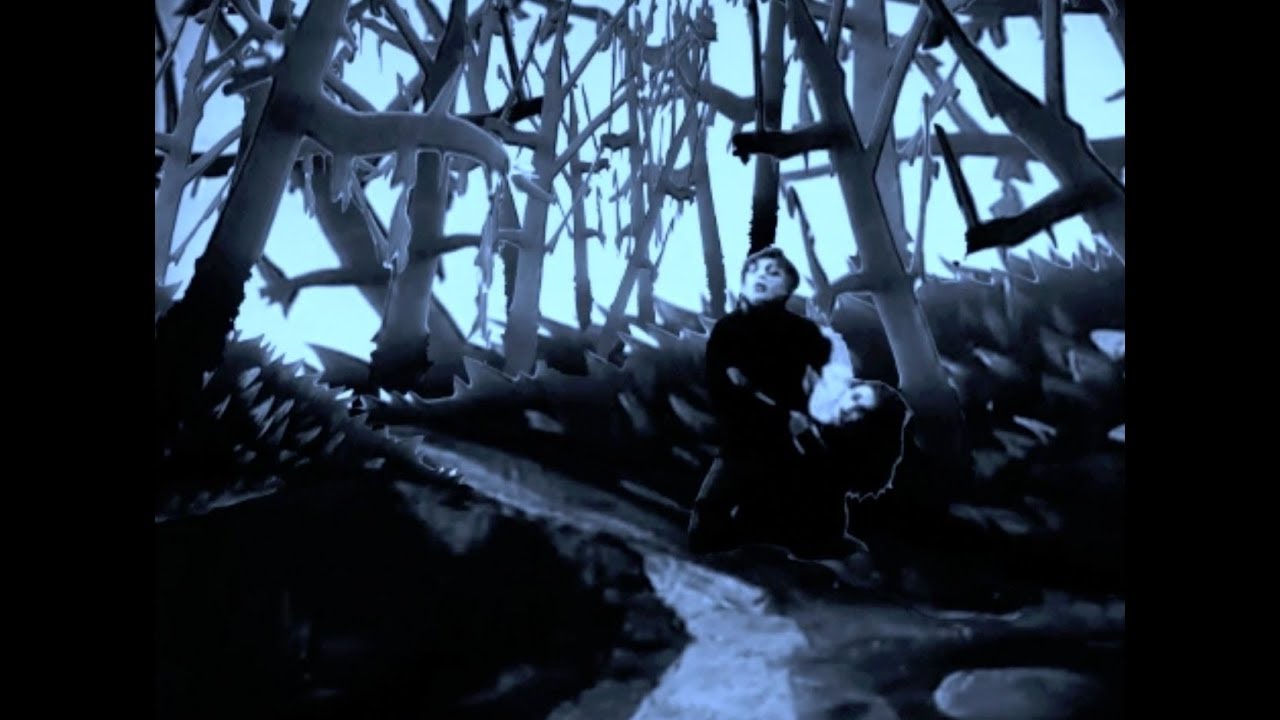
Dr Caligari Trees


In a shadowy place something white flew up. It was a heron, and it went away over the dark treetops. William Wallace followed it with his eyes and Brucie clapped his hands, but Virgil gave a sigh, as if he knew that when you go looking for what is lost, everything is a sign.

–Eudora Welty, The Wide Net 


When I came out of the house this morning to make the walk through the woods to my studio it was still dark with just the faintest light of morning beginning to brighten the sky. It was Sunday morning quiet, no roar from cars on the distant road nor sounds of any sort of human activity. The sound of a distant rooster harkening the morning broke the silence.

It was a weird crow, more like an extended screech mashed together with a normal crow. It was unlike any crow I had heard in the many years in the the early morning light before. It made me stop on our walkway to listen, to make sure that it was actually a rooster and not some omen of doom.

Because it sure sounded like one. It was like this rooster was adding a panicked warning to his normal wake-up call, like he sensed something strange was about to take place.

At that moment, as I stood there in the darkness of the woods, the black silhouettes of the trees and brush took on the tone of a dark German Expressionist film and I found myself wondering if there was some sort of omen in that strange crow, some warning I should heed.

It set off an anxiety in me that was already poised and ready to pounce. But as I walked along the path in the darkness as that odd crowing continued to echo a thought came to mind. It pretty much lined up with the passage at the top from the Eudora Welty story.

It came to me that when you’re always looking for something, especially something so deeply hidden that you’re sure it can never be found, everything becomes a clue or a warning. It leaves you wandering in this semi-darkness filed with ominous shadows and fantasized fears.

You can’t live in that place.

That all went through my mind in a flash and before I was even halfway across the dark trail, I was chuckling at the crowing and the ominous fears it had raised. If it was an omen, if something awful comes to be on this day, then I will be humbled. But if enduring the childhood fears of creatures under the bed and in darkened closets and scary attics have taught me anything, it is that what we often fear was never there to begin with.

Sometimes it’s good to be reminded of how easily baseless fears often grow within ourselves and how easily we accept ideas that based on this.

Ah, the primal fear of a crowing cock breaking the silence and darkness of a Sunday morning. It explains a lot.

Now let’s have some music, okay?

This morning I am going with a version of a Jesse Colin Young/ Youngbloods song, Darkness Darkness, from 1969 performed by Robert Plant. The Youngblood’s original version is great and there are also many good performances of this song from a wide variety of artists out there but I prefer the Robert Plant version a bit more. See what you think…


A Bit of Prendergast

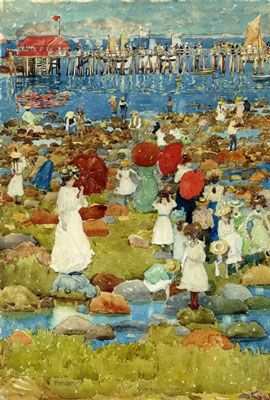
Maurice_Prendergast_-_Along_the_Shore

Maurice Prendergast– Along the Shore


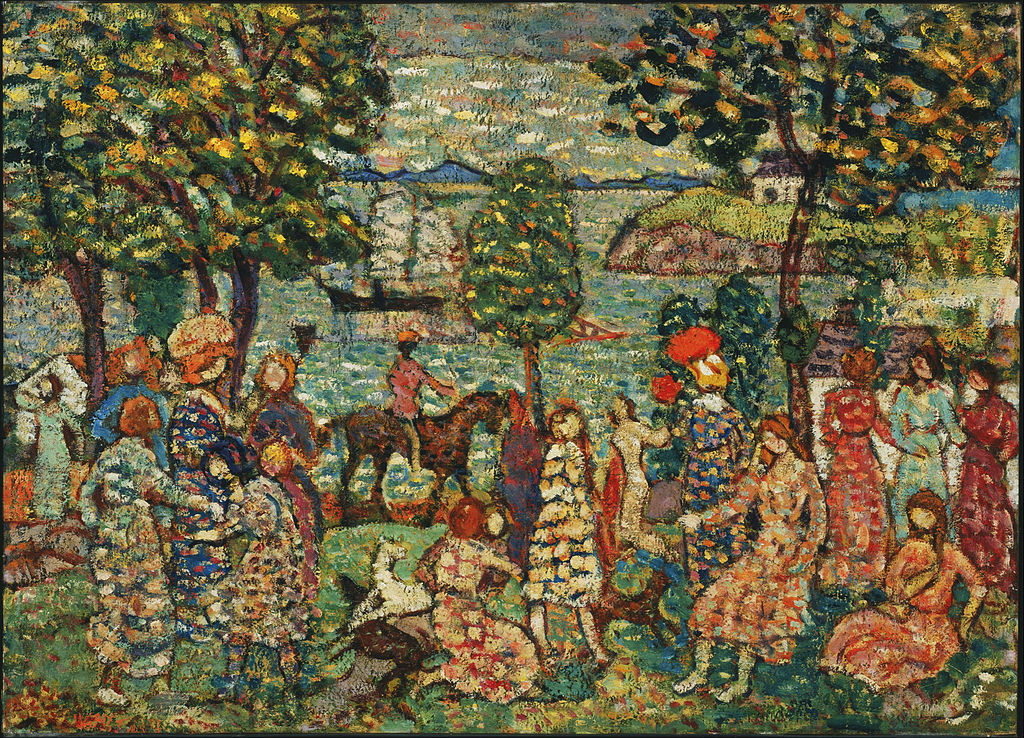
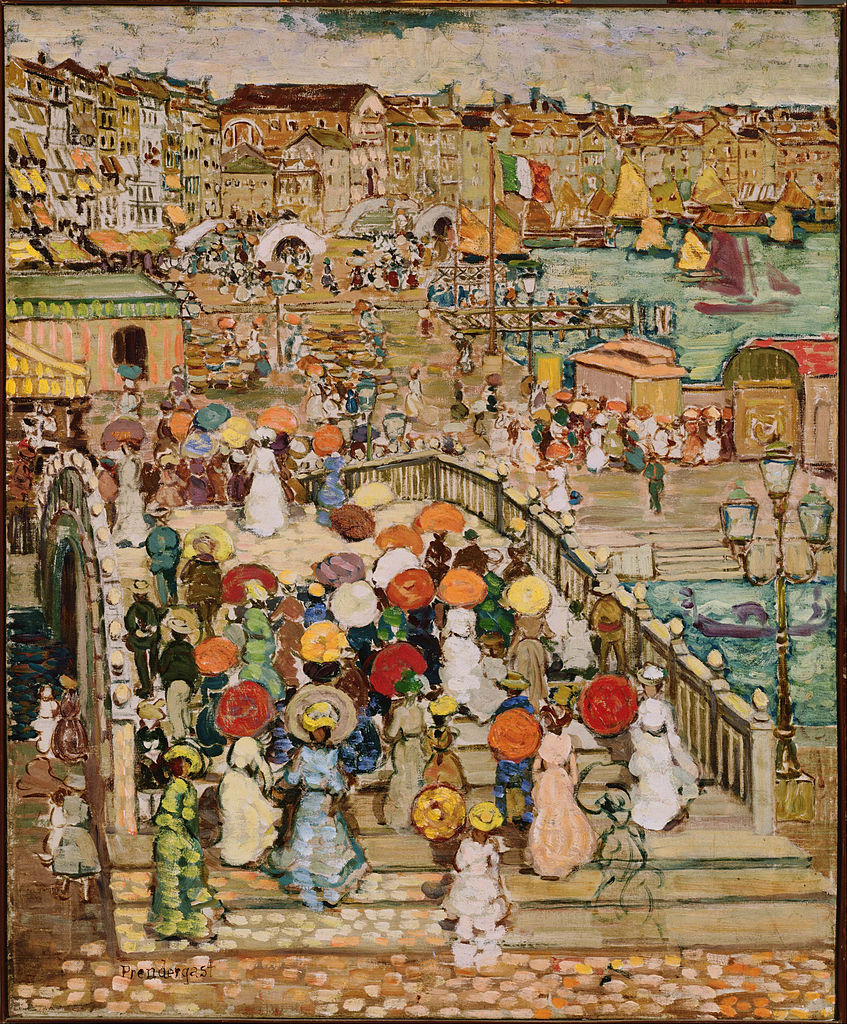
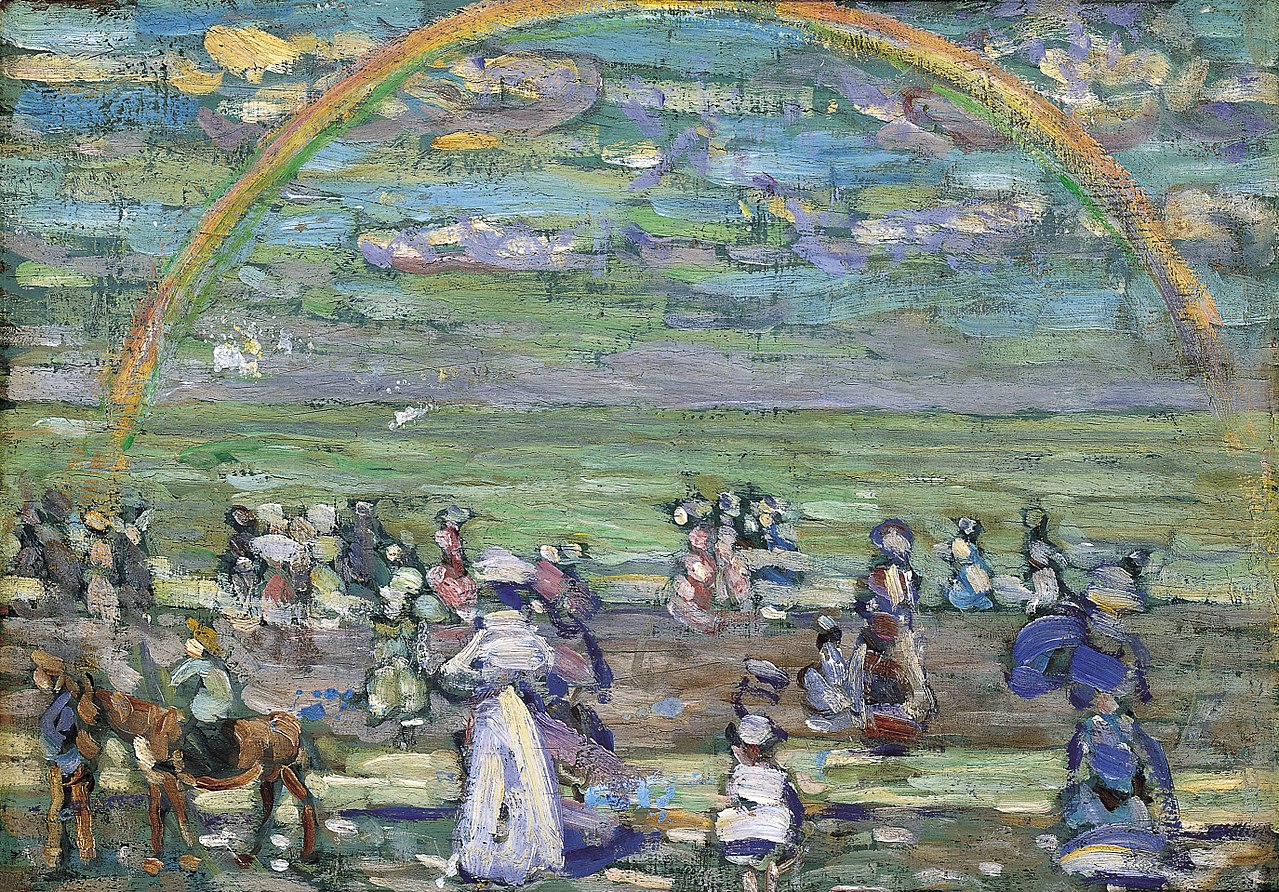
I was looking at the work of a favorite artist, Maurice Prendergast, and realized that I hadn’t shown any of his work here for awhile. I did a quick check and discovered that I hadn’t featured his work here since, coincidentally, this very date back in 2010. Thought it might be time to revisit his work.

There is something in the work of Prendergast ( 1858-1924) that really satisfies something in me. But more than that, I always come away feeling inspired and chomping to get t my own work. It’s like his work sets certain gears inside me in motion. That’s the way it is for many of my favorite artists– they satisfy and motivate.

And I needed just that this morning.

Here’s a short video slideshow of some of his works set to a little Mozart.


Maurice_Prendergast_Maurice_Prendergast_-_Fantasy_-_Google_Art_ProjectMaurice_Prendergast_-_Ponte_della_Paglia_Maurice_Prendergast_-_Rainbow

October

October -Les_Très_Riches_Heures_du_duc_de_Berry_octobre

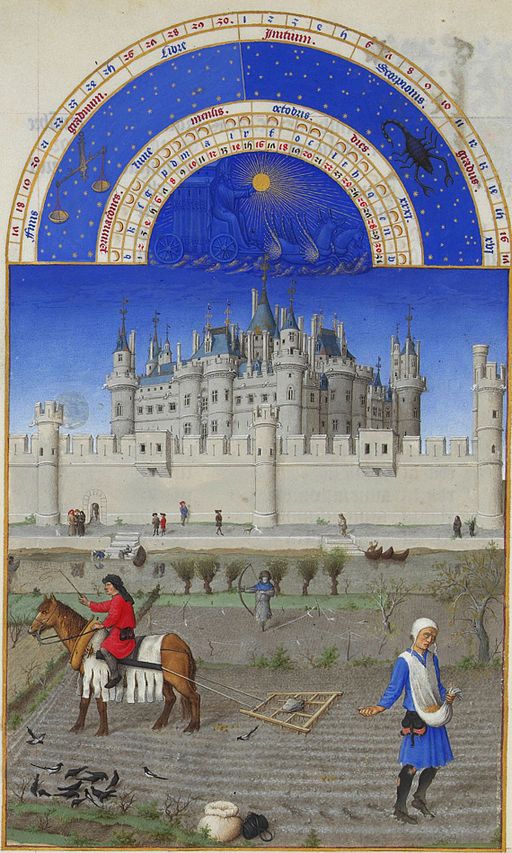
October– From Les Tres Riches Heures by the Limbourg Brothers, circa 1415


October enters the picture.

I was going to write something this morning about the fact that my dad died on this date last year and link it to how the mythology of families is diminished and lost whenever an older family member dies. Their stories, their triumphs, and their regrets often go with them to the grave.

Part of that comes from the fact that we often downplay our own lives and experiences, thinking that they were not much different than those of anyone else. Another part is that other family members are too busy living their own lives to listen or ask or can’t see the relevance to their own existence.

I know that was true with myself. I sorely regret not asking more questions about the lives of my parents and grandparents. None were celebrities or lived big lives that would ever fill books. But all had lives worth exploring.

For example, my grandfather was a professional wrestler and vaudeville stage manager long before he married my grandmother, who was raised amidst the lumber camps of the Adirondacks that her father operated. I am sure both had incredibly interesting stories to tell about the experiences and people they met along the way. But they weren’t storytellers and their children didn’t seem to care nor did they share much of what they did hear.

And now all of their children– my last uncle died a few months ago from covid-19 — are gone as well. Their parents’ stories and their own now mostly lost except for a few stories retained by the next generation. Which is my generation and there’s not much left to tell.

I certainly wish I had asked more questions and listened more deeply when those folks were around. Once they’re gone you realize how little you really knew of them or their lives. Does anyone know what their parents or grandparents might say if asked if they could describe the best day of their lives or their childhoods? We’re probably more likely to know what their worst days would have been since tragedy makes deeper and wider marks on most families.

Don’t know where this is going or where it will end. I already wrote much more than intended. I guess, to sum up, I just wish I had paid more attention when some of these people were around.

There are so many questions now and no way to get the answers.

And it’s October. Both in this calendar year and in my life. The days get shorter and cooler and as leaves fall and foliage dies back, the light changes and you see the world outside with a different perspective.

Sigh…

Here’s an old U2 song to mark the day. It’s October from the album of the same name that was released in this month in 1981. Forty years. I was going to put an exclamation point on that last sentence but the realization of how much time has passed sapped all my energy.

October…


Catch the Wind

9921076 To the Limit sm

To the Limit – At the West End Gallery, Corning


Faeries, come take me out of this dull world,
For I would ride with you upon the wind,
Run on the top of the disheveled tide,
And dance upon the mountains like a flame

― William Butler Yeats, The Land of Heart’s Desire


Things to do this morning. Places to go, people to see. Well, that’s not really the case but I do have things to do so let’s just go with a few lines from Yeats— which is always a good idea– and an old song from Donovan with a real Dylanesque vibe to go along with the Red Tree painting above, To the Limit, which is currently in residence at the West End Gallery.

That’s all I got for you today. Might not seem like much but you might something of value in one of those three things. Now get the heck out of here while I’m still in a good mood.


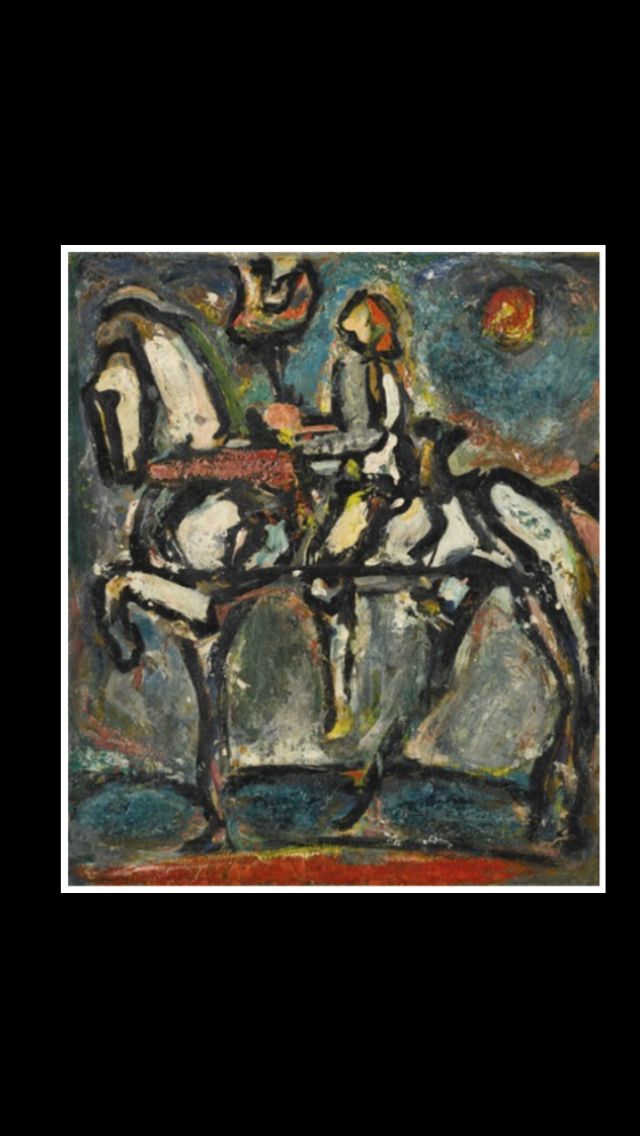
Georges Rouault Profile of Clown


Nothing is old, nothing is new, save the light of grace underneath which beats a human heart. The way of feeling, of understanding, of loving; the way of seeing the country, the faces that your father saw, that your mother knew. The rest is chimerical.

–Georges Rouault


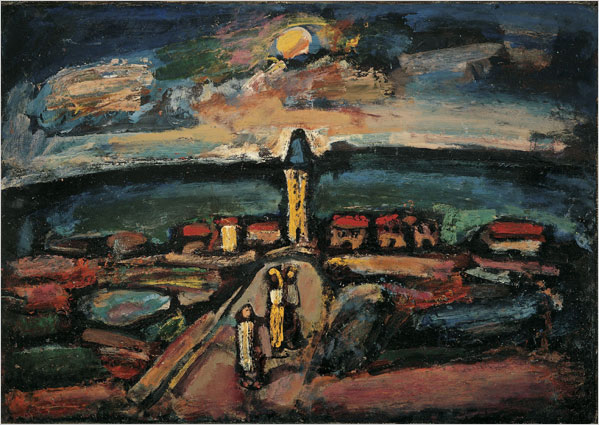
I’ve always loved this passage from artist Georges Rouault (1871-1958). It says a lot about the purpose of art and the mindset of some artists as they face their empty canvasses.

There is nothing new under this sun. Yet nothing is old so long as it is instilled with human feeling. And that feeling is the beat of the human heart, an individual rhythm formed by all that we have experienced and felt.

Art is not about creating something new that has never been seen. It is about using what and who we are in creating new ways of seeing things that have always been with us.

Well, that’s my take on Rouault’s words this morning. It also gives me a chance to show some of my favorite Rouault paintings. They never fail to inspire me.

And that’s a good way to start any morning.


Georges Rouault Three Clownsgeorges rouault-biblical landscapegeorges rouault- landscape with red sail 1939georges rouault- landscape with large treesgeorges rouault- automne ou nazarethGeorges Rouault 5Georges Rouault The Old KingGeorges Rouault -Christ in the Suburbs 1920-24georges-rouault-christ-and-the-fishermen-1939-Georges Rouault Sunset 1937Georges Rouault 1Georges Rouault 3georges rouault-mythical landscape


Going to a Town


9920017 Exile on Main Street rev 21 sm

Exile on Main Street“- Now at the West End Gallery


I’m going to a town that has already been burnt down
I’m going to a place that has already been disgraced
I’m gonna see some folks who have already been let down
I’m so tired of America

Going to a Town, Rufus Wainwright


I wasn’t going to display the lyrics above from the Rufus Wainwright song I am featuring here this morning. Saying that you’re tired of America isn’t a popular sentiment at any time and Wainwright says that this song, though one his more popular songs in concert, at times elicits strong response in the form of boos.

It was written in 2007 both as a relationship breakup song and as a protest against the Bush policies of that time, including an escalation of the war in Afghanistan, that Wainwright believed would lead to more and more damage here and abroad. America is symbolized here as being on fire and Wainwright is getting away by going to a city, a town, that has already went through this experience, as the lyrics at the top point out.

That town is Berlin with its dark history from the Nazi era. A place that has already burned down with people who have been let down and disgraced.

People who have endured the fire and came out the other side.

It’s an interesting song, one as much about rebirth as it is about the fire. It certainly has the feel of the bone-weariness that many folks here are experiencing now, as they can plainly see where things are headed. I know there are many days when I feel like saying that I am so tired of America and wish we could just move forward in time to the point where we are emerging from the fire.

But I won’t because we can’t. Just got to face the fire. Tired as we might be, someone has got to fight back the flames and start building once more.

Give a listen, if you are so inclined. It’s a lovely song. By the way, for those who don’t know, Rufus is the son of singer/songwriters Loudon Wainwright III and Kate Mc Garrigle and the brother of singer Martha Wainwright.


Dare to Know, Redux


Enlightenment is man’s release from his self-incurred tutelage. Tutelage is man’s inability to make use of his understanding without direction from another. Self-incurred is this tutelage when its cause lies not in lack of reason but in lack of resolution and courage to use it without direction from another. Sapere aude!- ‘Have courage to use your own reason!’- that is the motto of enlightenment.

― Immanuel Kant,  What Is Enlightenment?


The painting shown here is one from several years back that made the rounds to the galleries and came back to me. This baffled me because it was and remains a favorite of mine, one that really burned itself deep into my memory. My own preference might be as much about the meaning I attach to it as its actual visual content. I see it as being a symbol for seeking and verifying truth on your own, without the overriding influence of any one person or group.

In this day and age, you might call this being anti-cult. I think of it more as being willing to know the truth of the matter even when it disappoints. Knowing the truth allows you to determine how to deal with it. That is a much more powerful position to move from.

Here’s the original post:


Sapere Aude!

From the Latin, meaning Dare to Know.

I came across the passage above from the 18th century philosopher Immanuel Kant and felt immediately that it was a great match for this new painting. In fact I am calling this piece, 11′ by 15″ on paper,  Dare to Know (Sapere Aude!)

The Red Tree here is removed away from the influence and shading of the other trees and houses in the foreground, out of darkness and into the light. There is a light about the Red Tree and a sense of freedom in the openness of the space around it. It is free to examine the world, free to seek the knowledge it craves, and free to simply think for itself.

It’s a great idea, this concept of enlightenment and one that we definitely could use today. Too many of us form our own base of knowledge by relying on the thoughts and opinions of others, often without giving much consideration as to their truthfulness, motives, or origins. Or we shade our base of knowledge with our own desires for  how reality should appear, holding onto false beliefs that suit us even when they obviously contradict reality.

In short, there is no enlightenment based on falsehoods, no way to spin darkness into light. Enlightenment comes in stepping away from the darkness of lies and deceptions to see the world as it is, with clarity. It means stripping away our own self defenses and admitting our own shortcomings, prejudices, and predispositions.

It may not always be the desired outcome one hoped for, but it is an honest reality. And maybe that is enlightenment, the willingness to face all truths with honesty.

To dare to know.

Sapere Aude!

Higher Ground, 2021

GC Myers- Eureka Moment

Eureka Moment— Now at the West End Gallery


I’m so darn glad he let me try it again
Cause my last time on earth I lived a whole world of sin
I’m so glad that I know more than I knew then
Gonna keep on tryin’
Till I reach my highest ground

Higher Ground, Stevie Wonder


I had something else in mind for this week’s Sunday morning music but I came across this version of Stevie Wonder‘s classic Higher Ground and changed course.

This song always reminds me that the purpose of this life is to constantly attempt to be better, to move to some sort of higher ground. It’s not always easy especially when faced with a mob who is dead set on displaying their ignorance, selfishness, and hatred in the loudest and most visible manner possible.

I don’t think this is a song that this mob would embrace. And they most certainly wouldn’t like this version from Playing For Change, an organization that raises money for social justice programs in underserved communities all over the world. They produce videos of musicians playing together from points around the globe. Many of the musicians in their videos are buskers who often play for donations from their audience on the street, which is the basis for the organization’s name, Playing For Change. This particular video has some brand name musicians along with many who may be new to you.

It’s a great version of a great song with a great message– lift yourself up to higher ground.

And while you’re up there, pull some others up. There’s plenty of room on that higher ground.