In this short Life that only lasts an hour How much – how little – is within our power.
– Emily Dickinson, envelope poem
I have an early appointment so was going to post a short blog entry with a few words written to her aunt in 1874:
Saying nothing… sometimes says the most.
But before I could move the words to the blogsite, I came across the short poem at the top and an image of it that Dickinson wrote on the inner flap of an envelope. It’s included in a book called The Gorgeous Nothings: Emily Dickinson’s Envelope Poems that documents the many bits of poetry that Dickinson inscribed on whatever was at hand when the spirit struck.
I find these bit and pieces interesting. It’s like having a porthole into the moment when a particular thought or inspiration hit the author. It gives the words that might appear cool and lifeless on the printed page a sense of humanity, of life. I equate it to the surface of a painting that shows mistakes, fingerprints or stray hairs.
You’re transformed to the moment of creation, the moment of inspiration. And that, for me, is an important addenda to the finished piece.
Okay, said too much already. As Emily said: Saying nothing… sometimes says the most.
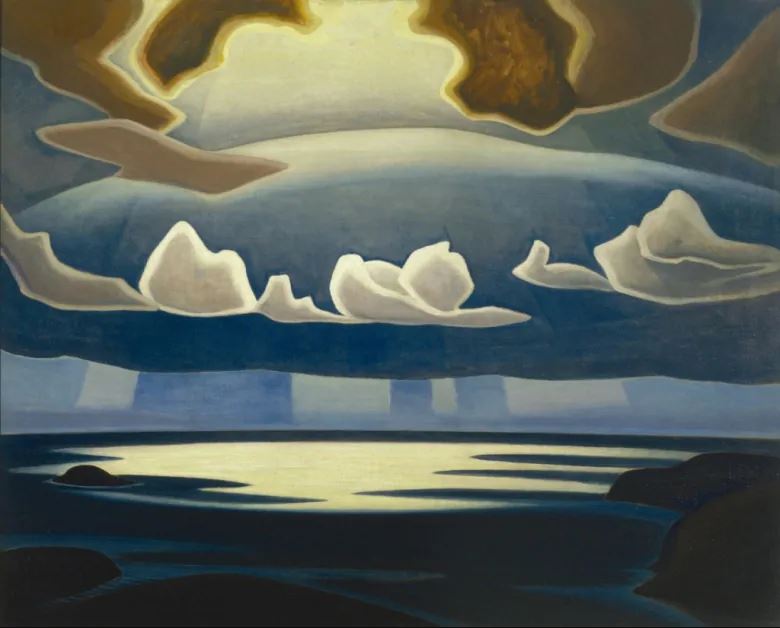
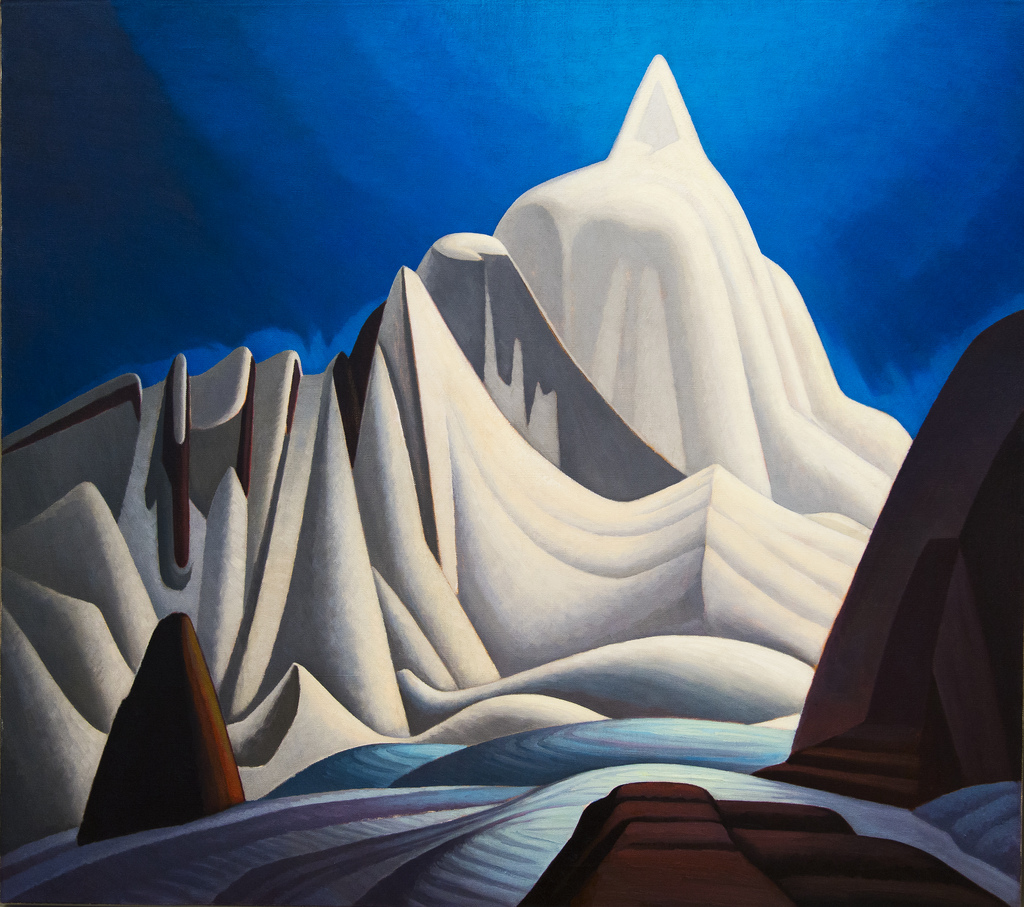
Lawren Harris– From the North Shore, Lake Superior ca 1927
Art is not an amusement, nor a distraction, nor is it, as many men maintain, an escape from life. On the contrary, it is a high training of the soul, essential to the soul’s growth, to its unfoldment.
–Lawren Harris
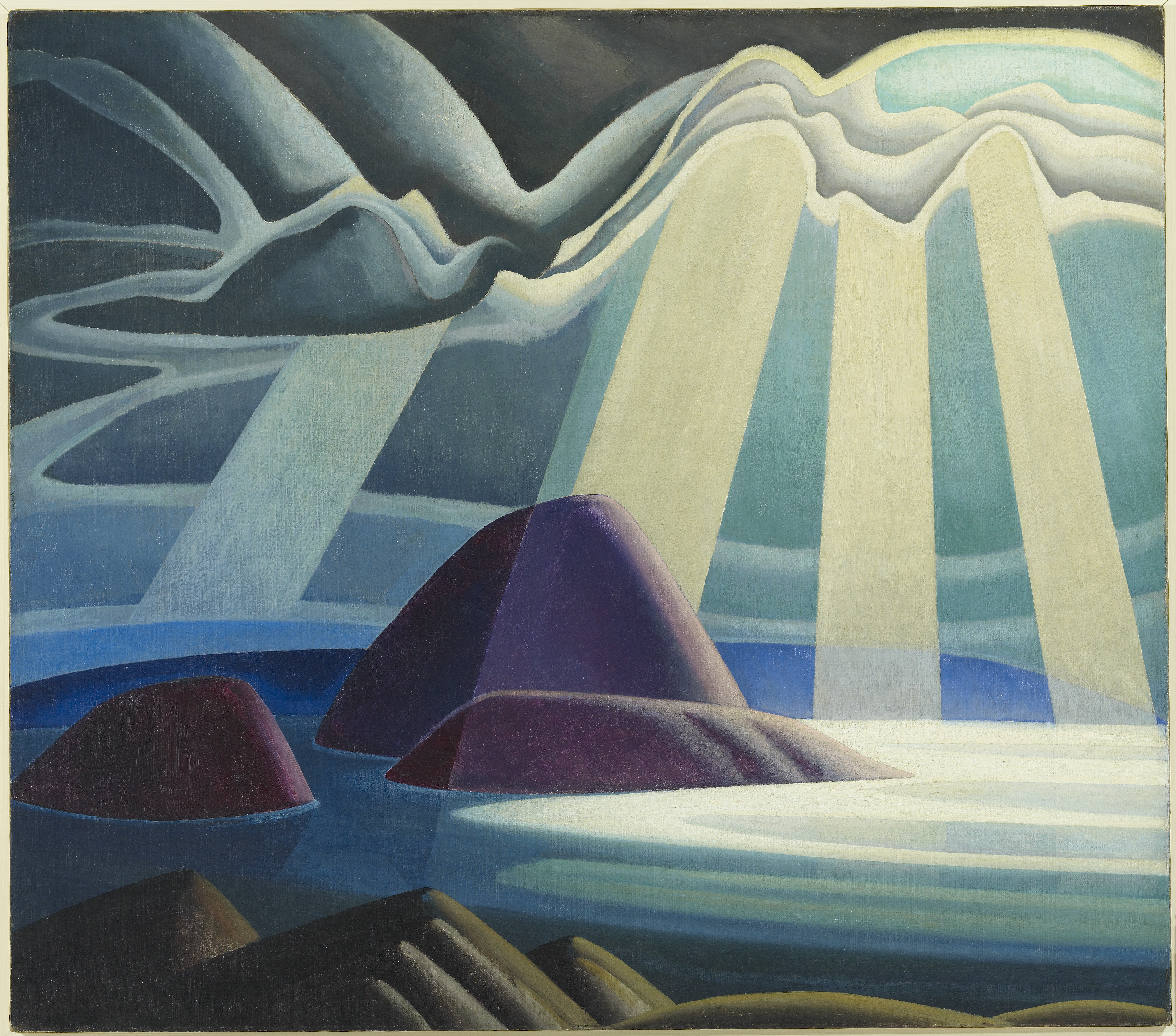
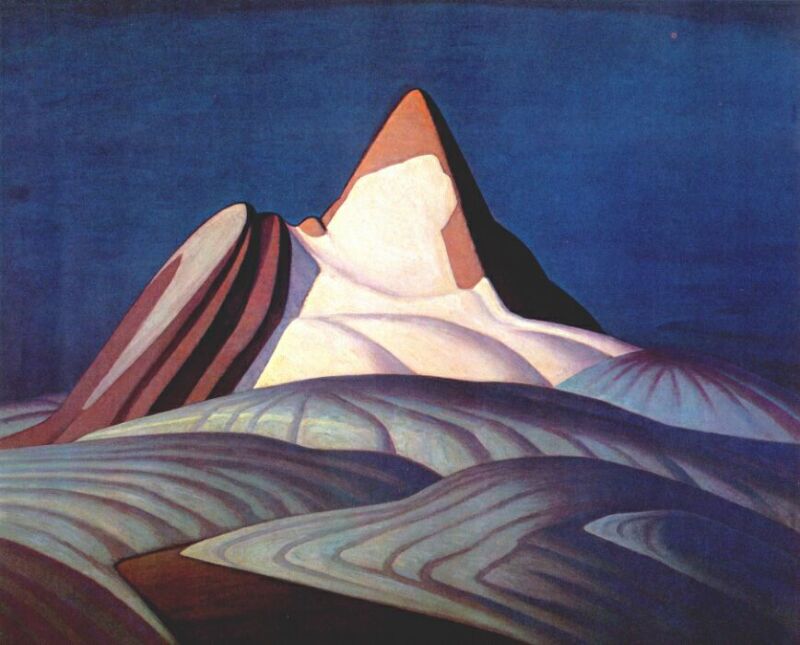
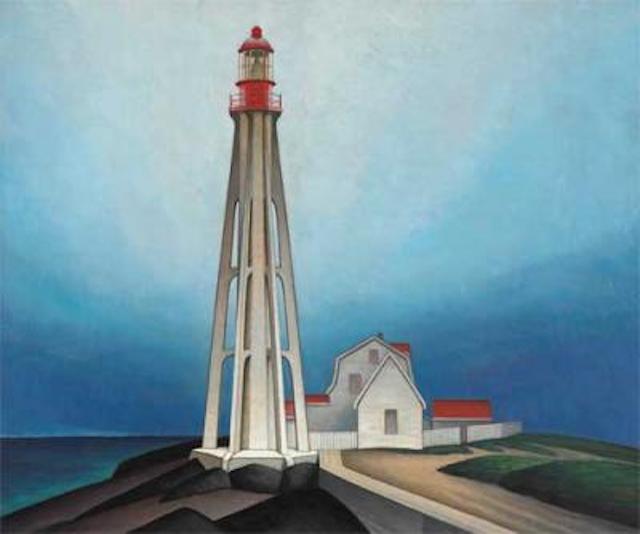
Whenever I need a lift or a reminder that what I am doing is a mere triviality, it’s always good to revisit the work and words of the late painter Lawren Harris.
Harris, who died in 1970 in his native Canada at the age of 85, had a way of capturing of grand spaces and forms and imbuing in them a sense of absolute stillness. It’s a created atmosphere that is conducive to the unfolding and growth of one’s soul.
Some might say that this in itself is an escape from life and, in the simplest terms, they would be correct. But art transcends the mere act of escape in that while doing so, it provides the space and nourishment for the growth of the soul.
I know that I have often looked to art as a safe haven, an escape from the cruelty and often illogical nature of the outside world.
But it was never just that single thing. This separation between the outer and inner world created an environment, a time and place, where lessons could be learned and insights could be formed. These lessons and insights become part of who we are and then undoubtedly travel with us back into that outer world.
No, art is not an amusement or an escape. It changes us in fundamental ways and by that, we are always made better.
I needed to write that this morning, if only for myself. Thanks, Mr. Harris, I feel a little better now.
I was running a little short on time this morning so this post from a couple of years ago will have to suffice. It’s a fine reminder of the purpose of art. I’ve added some favorites from Mr. Harris to the original post which serves as a fine pick-me-up for me on this September morning.
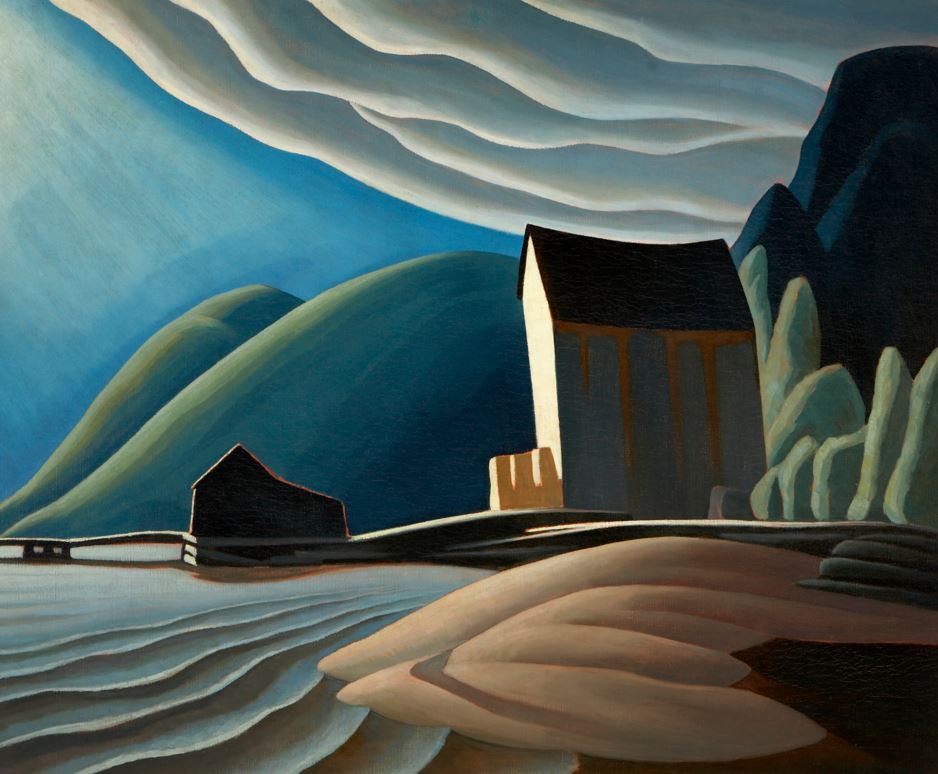
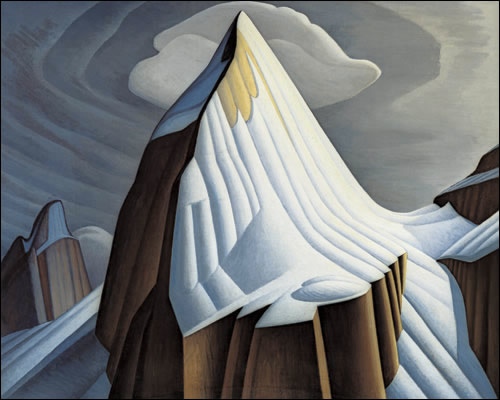
Lawren Harris- Ice House, Coldwell, Lake Superior 1923
You say I am repeating Something I have said before. I shall say it again. Shall I say it again? In order to arrive there, To arrive where you are, to get from where you are not, You must go by a way wherein there is no ecstasy. In order to arrive at what you do not know You must go by a way which is the way of ignorance. In order to possess what you do not possess You must go by the way of dispossession. In order to arrive at what you are not You must go through the way in which you are not. And what you do not know is the only thing you know And what you own is what you do not own And where you are is where you are not.
― T.S. Eliot, East Coker
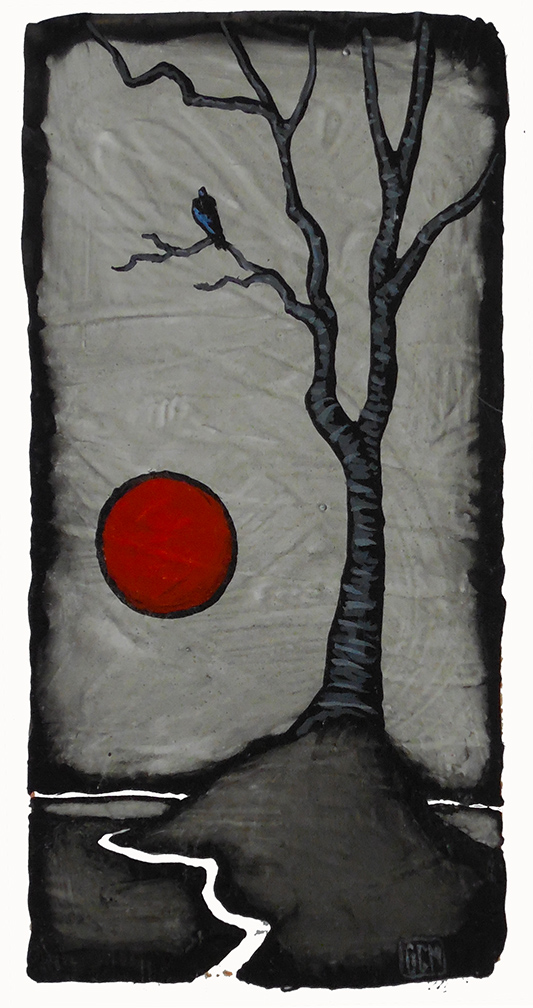
The painting at the top is titled Meditatio. It has a meditative presence that definitely stands out for me whenever I see it at the West End Gallery, where it has been for a while now. I thought it was worth revisiting it today.
I see these words above from T.S. Eliot’s East Coker as part of a conversation between the Red Tree and the rising sun/moon, who points out that it repeats its lesson with each new rise. And though it is repetitive, it is no less meaningful and instructive.
I will let you read into it what you will but I particularly love the last line here– And where you are is where you are not.
That could very well sum up my work as well as something I have written here before, that we are defined both by what we are and what we are not. Sometimes it takes going through a lot of disappointments and failures to arrive at that place where you are.
Yesterday I tried to avoid the ceremonies and recollections that were part of the 20th anniversary of the 9/11 attack. I didn’t write anything yesterday for that same reason. Plus I didn’t want to offend anyone by saying something about wanting to finally move past these observations on a national scale.
And I did a pretty good job, immersing myself in a maintenance project at the house that has been patiently waiting for me for some time now. I didn’t see any of yesterday’s speeches or videos from that day in 2001 and I felt grateful for it.
But as my workday ended, I checked social media as I was closing up my studio and came across a video of the Welsh Guards at Windsor Castle playing the Star-Spangled Banner in honor of the 9/11 anniversary.
Made me cry.
It also made me realize that maybe we needed yesterday’s observation more than any other past observation that has taken place over the past 20 years, except perhaps the first one in 2002. We are, after all, in the midst of several crises on a massive scale, a deadly pandemic and the widespread climate-change caused destruction among them.
Maybe we needed the examples of selflessness, a willingness to sacrifice for others, and to unite for a common good that we saw take place on that day. All seem to be lacking desperately among broad swaths of our population today where coarse selfishness rules the day.
Maybe we needed to be reminded that there can be a common good, that though we all have rights and freedoms, we are not entitled to any more than the least among us.
I don’t know if it can happen now. Our 2021 world is vastly different than it was in 2001. We unfortunately live much of our lives in a cyber world now. It is filled with angry opinion and misinformation, much of it from sources, some domestic and many foreign, whose aim is to profit in some hideous way from the division that comes from their work.
As a result, too many of us do not want to find any common good.
And that is a tragedy of monumental proportions. For all of us.
I still hold out hope and will continue to look for the common good that binds us. I may be a fool for that but I am willing to risk that.
What’s the alternative?
For this week’s Sunday morning music, I am playing a song from The Rising, the first post-9/11 album, released in July 2002, from Bruce Springsteen. It’s a powerful, emotional album and this song, Paradise, is a favorite of mine from it. It’s portrayal of the sense of loss experienced by those personally affected by that day– or any loss, for that matter– is palpable.
“Symphony of Silence“- Available at the Principle Gallery, Alexandria VA
A people that has remained convinced of its greatness and invulnerability, that has chosen to believe such a myth in the face of all the evidence, is a people in the grip of a kind of sleep, or madness.
–Salman Rushdie, The Satanic Verses
I was going to write about hubris and schadenfreude this morning. Together they sound like an ill-fated couple from some obscure story in classical literature. And maybe they should be.
Like I said, I was going to write about them and how much on display the two are lately. The hubris of people who foolhardily believe in their own invulnerability then suddenly discover that there is overwhelming evidence to the contrary. And the schadenfreude of those others who understood that no one is truly bulletproof, perhaps from having their own hubris bite them in the butt at an earlier time, take great pleasure in seeing the absolute certainty of these folks crumble into nothingness.
But to be honest, I am fatigued by the mere though of writing about it. I am bone tired of the hubris I see from those who deny anything that doesn’t fall into what they desire to believe. And I am tired of the schadenfreude, the delight taken in the misery of others, that I see in those who watch these fools stumble and fall, one after the other.
I am definitely tired of my own schadenfreude. Exhausted from it. It’s like watching an endless loop of a guy stepping on a rake that comes up and bangs him in the face. You chuckle at first then, after a few minutes, it becomes sad and pathetic, both for the victim and the observer.
Maybe that’s the lesson of hubris and schadenfreude in their roles as classical characters, that their story always ends up sad and pathetic. Who knows? I am too tired of then already to think any more on the subject.
I’ve already written way more than I originally intended. I was just going to say that I wanted to shut it all out for awhile, maybe take a long ride in the car. Look at things– the landscape, the sky and trees, lakes and rivers– without thinking too much.
Take the long way home.
I was going to use this as an intro to a new Eddie Vedder song, Long Way, that is definitely derived from the spirit and tone of a fine Tom Petty song. Nothing wrong with that. Let’s go with that plan and play the song now.
Give a listen if you are so inclined and maybe take the long way home one of these days. Might help you forget about hubris and schadenfreude.
I’m not at all interested in painting the object just as it is in nature. Certainly I’m much more interested in the mood of a thing than the truth of a thing.
–Andrew Wyeth
Earlier this morning, I was looking for an image from Andrew Wyeth to accompany the words above. Wyeth is one of those artists for me whose words and works seem to speak directly to me.
I love the work of many artists but their words on their work or anything sometimes lack the perspective and feel that I see in their work. They most likely work from a different place in themselves or are looking for other things in their work than I do in my own work. Or they simply have a different way of seeing their work and process and expressing it in words.
But Wyeth’s words, like his images, hit me directly. I don’t need to figure out what he is saying and can immediately see the application of his words in his work. I can also see what I would like to believe are parallels in my own motivations and work.
But while looking up a painting to match this particular passage, I came across a bit of important trivia about Wyeth that I hadn’t known before. I found it very interesting. It seems that Wyeth had an absolute obsession with a 1925 silent film, the anti-war classic from director King Vidor, The Big Parade. Wyeth saw it first as an 8 year old and watched it around 200 times over the course of his life. One Wyeth scholar puts the figure at possibly 500 times.
That is an obsession.
He even wrote to Vidor in the 1940’s to describe his love for the film ( he called it the greatest film ever made) to the director and outline how it had influenced many of his paintings over the course of the decades since first seeing the film. They met in later years, in the 1970’s, where Wyeth again told how many of the scenes from the film showed up in different ways in many of his paintings.
Like many things from Wyeth, this particular bit of information echoed my own obsessions in film, the films I watch over and over again in the studio. Films with strong imagery and meanings in their dialogue make up most of these studio companions. Films like The Grapes of Wrathand Watch on the Rhine and so many more have elements that trigger emotional reactions with each viewing, even after that number has reached into the many dozens.
I understand that kind of obsession. Each viewing reveals more and more details that add even more depth to my perception of the film. I know that emotional tone and other elements of these films influence my work. I also think that it ties into my own willingness to constantly revisit certain elements and imagery within my work, something that is echoed in another passage from Wyeth:
Most artists look for something fresh to paint; frankly I find that quite boring. For me it is much more exciting to find fresh meaning in something familiar.
Don’t know what to make of this. I guess I just find it interesting.
There’s a short article along with a audio recording of lecture on Wyeth’s obsession with The Big Parade at the site for the National Gallery. You can see it by clicking here.
I recall Gandhi said ultimately all things devolve into the political, but I’d argue that all things devolve into pro-people and anti-people. And I can pose the question: which side are you on?
― Stetson Kennedy
I used the above quote from the late author/activist/folklorist Stetson Kennedy (1916-2011) a couple of years ago. Felt that a partial replay of that post was in order since it felt relative to today’s political climate. It seems to me that there is a sizable portion of our population, maybe 30% or so, that falls into that anti-people category. Enough to make trouble for those who identify as pro-people.
This is fairly evident especially if you are a person of color, a woman, a gay or transgender person, a non-christian, an immigrant, a poor person, a sick person, a person who likes clean water and air, a person who prefers fair and honest elections, a person who doesn’t want to have to pack a sidearm to go to the market, a person who values education and the sciences, a person who sees the value of collective bargaining and the pure falsity of trickle down economics or someone who prefers simple truth– even when it is not what we want to hear– to absolute deception.
In these times, his question is a valid one: Which side are you on? If you can’t answer this simple question or try to rationalize your answer with a dizzying pretzel logic, we’re all in world of trouble.
That said, I thought I would share a little more info on Stetson Kennedy because I am pretty sure he’s well off most of our radars. Part of the family of Stetson Hat fame, he was a folklorist, having written a well regarded book on the folklore of his native Florida, as well as a civil rights and union activist through the early part of his adult life.
Unable to serve in WW II because of a back injury, Kennedy turned his efforts to righting some of the injustices and dangers he saw in his own part of the world, primarily racial hatred and inequality. He infiltrated the KKK and wrote a book, I Rode With the Ku Klux Klan, which exposed the rituals and actions of the group and that ultimately led to a governmental crackdown on it, crippling the hate group for decades to come.
An interesting part of this story is that while he was infiltrating the KKK, he was feeding codewords and details of secret rituals from the group to the writers of the Superman radio show who used them in a 16 part segment on the show called Clan of the Fiery Cross. It had a huge impact in the public perception of the group and reportedly set back its recruitment and growth for decades.
No one wanted to be in a group that the Man of Steel was against. If only it were still that way.
Another interesting factoid was that this book was written in France during Kennedy’s self-imposed exile there and first published by existentialist author Jean-Paul Sartre.
Here are a few more words from Kennedy:
“There is more than one way to be Kluxed, and we need to think about ourselves and the kind of people we elect into public office.”
———
“The bed sheet brigade is bad enough, but the real threat to Americans and human rights today is the plain clothes Klux in the halls of government and certain black-robed Klux on court benches.”
———
“If the Bush brothers really think that women and minorities are getting preferential treatment, they should get themselves a sex change, paint themselves black and check it out.”
–Stetson Kennedy, 2004
That brings us to a song called Stetson Kennedy from one of my favorite albums, Mermaid Avenue, from the collaboration of Billy Bragg and Wilco in creating songs from a group of previously unrecorded Woody Guthrie lyrics. Guthrie was friend of Kennedy and when Kennedy ran for the governorship of Florida in 1952 — which he lost and for which he was vilified and basically ran out of the state by right-wingers who firebombed and destroyed his home –- Guthrie wrote the lyrics for a campaign song that never came about. Bragg and Wilco did it many years later, in 1997. I liked this song before I knew who in the world Stetson Kennedy was, particularly the line:
I ain’t the world’s best writer nor the world’s best speller But when I believe in something I’m the loudest yeller
Georgia O’Keeffe-Cow’s Skull Red, White and Blue -1931
I have done nothing all summer but wait for myself to be myself again —
–Georgia O’Keeffe
I came across this line above from Georgia O’Keeffe that she wrote in a letter to fellow painter Russell Vernon Hunter. Her words certainly resonated with me as I seem to find myself in that same peculiar position every summer, waiting for summer to pass and the ease that accompanies autumn (at least for me) to arrive. It also reminded me of some of the reasons that I was so attracted to O’Keeffe and her work, especially in my earlier years.
Her work always struck me in both the gut and the head. It was easily taken in but was not easily dismissed. It left you with lingering thoughts and images in your mind. It was like seeing a simple object that for some reason sparks a whole series of thoughts, often unrelated tor far from the object itself. Like seeing a simple flower and suddenly imagining the whole cycle of life.
From birth to death and back to life again, all in the petals of a flower.
I thought I’d replay a post from several years back that shows a clip from a 1977 film about O”Keeffe that I very much like. The award winning film became part of the American Masters series on PBS but is no longer in circulation, according to some sites. But the clip speaks volumes itself and I have added a video with the filmmaker, the late Perry Miller Adato, who speaks about the film and her interactions with O’Keeffe during its making.
I don’t know if I have talked much about Georgia ‘OKeeffe (1887-1985) here on the blog. Her work was a big influence on me when I was starting, especially with her use of bold, clear color and in the way she pared away detail in her compositions, leaving only the essential. Her lines and forms were always organic and natural, something in them almost creating a harmony or vibration that easily meshed with the viewer on a gut level.
I was looking at films of artists at work earlier and came across a short segment from a 1977 documentary by filmmaker Perry Miller Adato that was aired on PBS at the time to mark O’Keeffe 90th birthday. I was immediately captivated by the film of her as younger woman early in her time in New Mexico set against her at 90, listening to talk about paintings that were based on the bones she found in the high desert, telling a bit about the iconic painting shown here.
Her words were direct and plain-spoken in a mid-western voice that reflected her mid-western upbringing. There’s an interesting juxtaposition of her speaking in very simple terms about her work set against a curator speaking in a bit of artspeak. I’m not saying his point wasn’t valid. It was just interesting to see how she spoke easily on the subject, spoken with the ease of just being who she was.
It was just a neat clip that reminded me of why I liked her work so much in those early years. As I said, this is just a clip and I am sorry that I don’t know where you can see the entire film. But enjoy this and perhaps you’ll stumble across the whole film some other day.
The labor movement was the principal force that transformed misery and despair into hope and progress. Out of its bold struggles, economic and social reform gave birth to unemployment insurance, old-age pensions, government relief for the destitute and, above all, new wage levels that meant not mere survival but a tolerable life. The captains of industry did not lead this transformation; they resisted it until they were overcome. When in the thirties the wave of union organization crested over the nation, it carried to secure shores not only itself but the whole society.
—Martin Luther King, Jr.
Another Labor Day. I have ran the essay below with the historic Lewis Hine photos a couple of times on past Labor Days and thought it would be appropriate to do so again today. I added a song from Lee Dorsey that fits the subject somewhat at the bottom:
If you ask someone what the holiday represents they will no doubt say that it is symbolic end of summer. A last picnic. One last real summer weekend at the lake or shore. If you push them they might finally say that it honors the workers of this country.
But it really was created to celebrate the American Labor Movement, those unions and organizers that brought about all of the changes that Dr. King pointed out in the quote above from his 1965 speech before the AFL-CIO.
Fair wages, a shorter workday, a safer workplace, pensions, unemployment insurance, health insurance, vacations, maternity leave, paid holidays such as today– all of these things came from the hard and dangerous efforts of union organizers.
As King points out, the owners– the captains of industry— did not agree willingly to these changes.
Hardly.
No, they fought with every resource at their disposal including the influence they bought from politicians and the use of violence. The history of the labor movement is littered with bodies of workers killed in skirmishes with the forces of the owners.
Every step of progress throughout our history has been opposed by those in power. But progress and change has always come thanks to the efforts of people like those in the labor movement.
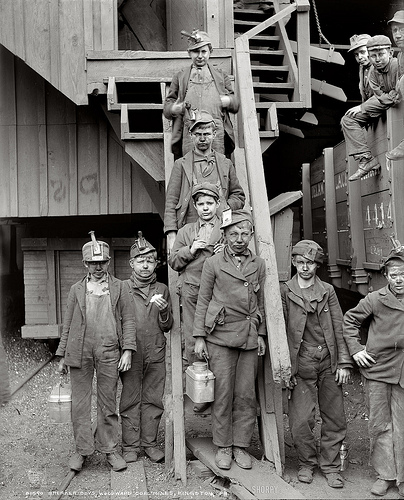
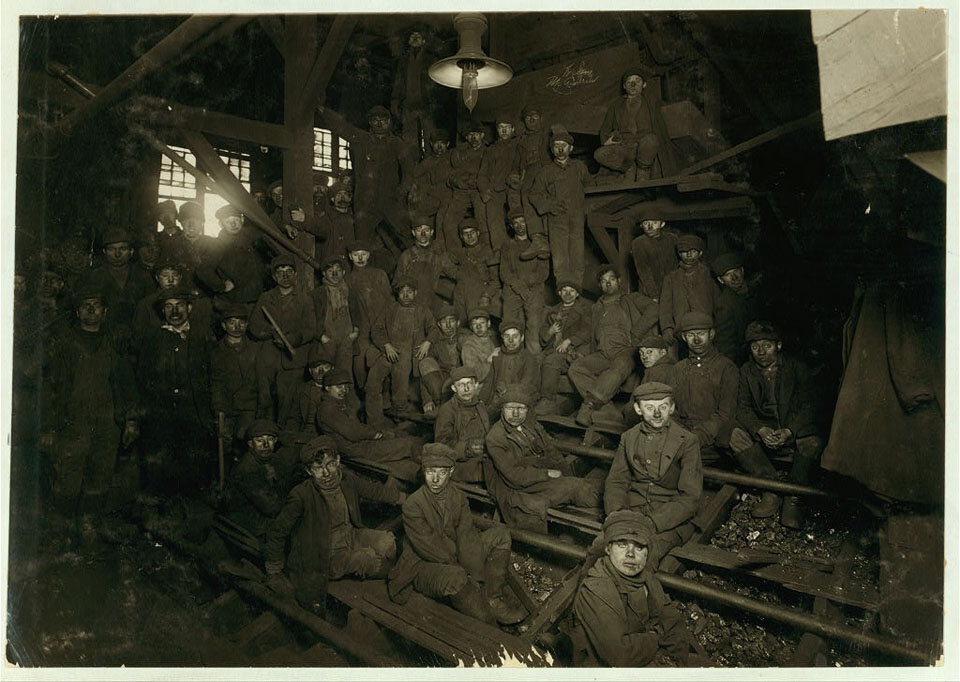
The use of children in the workforce was another thing that was ultimately changed by the labor movement. It’s hard to believe that the scenes shown here in the famed photos of photographer and social reformer Lewis Hine took place just over a hundred years ago in the coal mines of eastern Pennsylvania. Harder yet to believe is that federal labor laws for child labor were not fully enacted until 1938. Earlier attempts at legislation by congress in 1916 and 1922 had been challenged in court by industry and were deemed unconstitutional.
Imagine your child (or your nephew or grandchild) at age 12. Imagine them spending 10 or 12 or even 14 hours a day, six days a week in one of the breaker rooms of a coal mine like the one shown here on the right. Hunched over in the gritty dust of the coal, they picked the coal for differing sizes and to sort out impurities. Imagine the men who are shown in the photo with sticks poking your child, perhaps kicking him to speed him up. Imagine all of this for seven and a half cents per hour.
There was no school books for these kids. No soccer. No violin practices. No college prep or videogames. Just a future filled with misery and drudgery and most likely a black lung.
Try to imagine that.
And think that it was all taking place less than a hundred years ago and it ended because of the labor unions and the brave and conscientious people who fought for them.
I know there are problems that arose in the unions over time. They are not perfect by any means. Like all things human, they are susceptible to corruption and selfishness.
But that doesn’t take away from the incredible progress that labor unions provided for our nation’s workers which gave us the most prosperous times in our history. Despite their shortcomings, the idea of workers uniting to have one strong voice is as important now as it was a century ago. Perhaps even more now that corporate world’s political power is enormous and the wealth which buys it is concentrated at the top at historic levels.
So celebrate the day at the shore or in a picnic. Have a great day. But take one single moment and think of those kids in those Pennsylvania mines or in those southern mills and the people who fought to set them free.
Noon hour in the Ewen Breaker, Pennsylvania Coal Co. Location: South Pittston, Pennsylvania.
The difference between the right word and the almost right word is really a large matter – it’s the difference between lightning and a lightning bug.
– Mark Twain
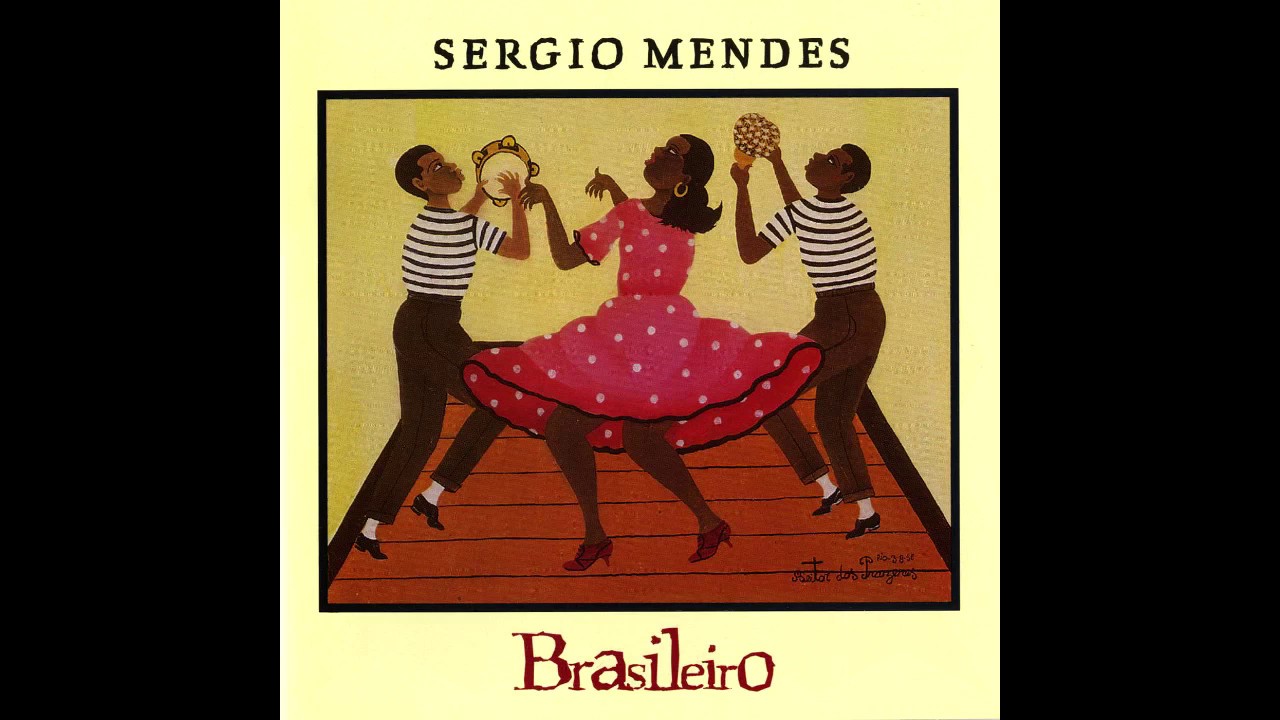
For this Sunday Morning music, I decided on playing a song from Sergio Mendes, the renowned Brazilian musician who has been around for what seems like forever. His first album came out in 1961 so his work has been around for most of my life. He’s considered a Brazilian artist and his music is primarily based in the rhythms and sounds of his homeland but he has mainly recorded and toured in the States throughout his career. Kind of like a musical ambassador.
Though I know the name, I don’t know much about his music except the stuff from the 1960’s like The Look of Love. Kind of a soft bossa nova is how I’d describe it, I guess. So, coming across the track below, Magalhena, was a surprise. It felt like the polar opposite of The Look of Love or any of his other hits. Big rhythmic drum sounds that feel like they could be pulled from some sultry tropical festival.
I tried to find the lyrics and they are, of course, in Portuguese. Every translation I could find was different and felt like it was done only with a computer program and no human input. The phrasing was weird and seemed to make little sense. Like bring the password to the stove and come make frames. I checked several sites and they were all different and equally strangely worded. I take it that there is a lot of Brazilian colloquialisms that don’t register well with translation programs from the Portuguese.
But while the words don’t translate well, the music does. It’s a stirring way to get a Sunday morning kicked off. Be warned: if you want a sleepy tune this morning, do not listen to this track.



 Yesterday I tried to avoid the ceremonies and recollections that were part of the 20th anniversary of the 9/11 attack. I didn’t write anything yesterday for that same reason. Plus I didn’t want to offend anyone by saying something about wanting to finally move past these observations on a national scale.

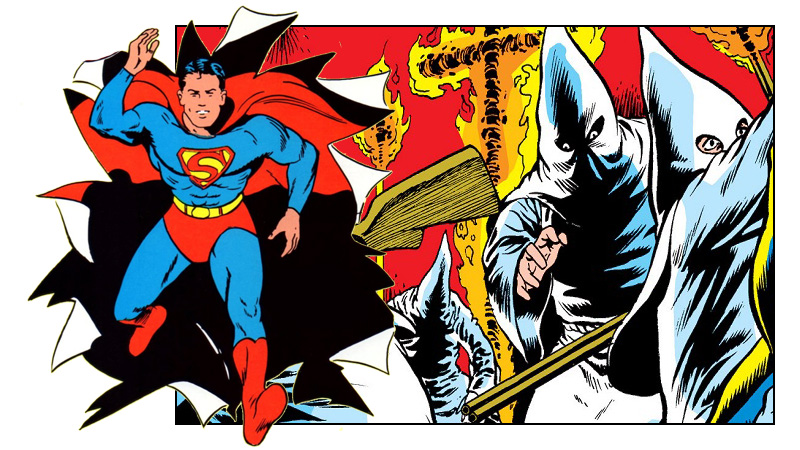
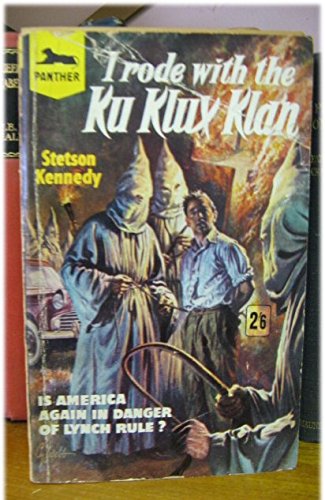 Unable to serve in WW II because of a back injury, Kennedy turned his efforts to righting some of the injustices and dangers he saw in his own part of the world, primarily racial hatred and inequality. He infiltrated the KKK and wrote a book, I Rode With the Ku Klux Klan, which exposed the rituals and actions of the group and that ultimately led to a governmental crackdown on it, crippling the hate group for decades to come.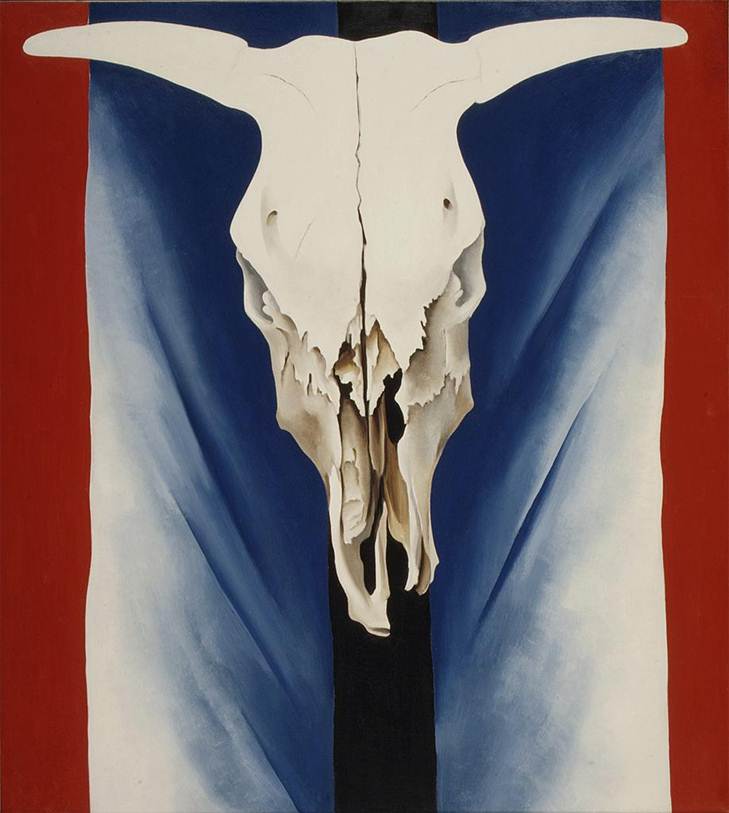
 I don’t know if I have talked much about Georgia ‘OKeeffe (1887-1985) here on the blog. Her work was a big influence on me when I was starting, especially with her use of bold, clear color and in the way she pared away detail in her compositions, leaving only the essential. Her lines and forms were always organic and natural, something in them almost creating a harmony or vibration that easily meshed with the viewer on a gut level.
 Imagine your child (or your nephew or grandchild) at age 12. Imagine them spending 10 or 12 or even 14 hours a day, six days a week in one of the breaker rooms of a coal mine like the one shown here on the right. Hunched over in the gritty dust of the coal, they picked the coal for differing sizes and to sort out impurities. Imagine the men who are shown in the photo with sticks poking your child, perhaps kicking him to speed him up. Imagine all of this for seven and a half cents per hour.
 Redtree Times