
Form is emptiness, emptiness is form.
–The Heart Sutra, Ancient Buddhist text
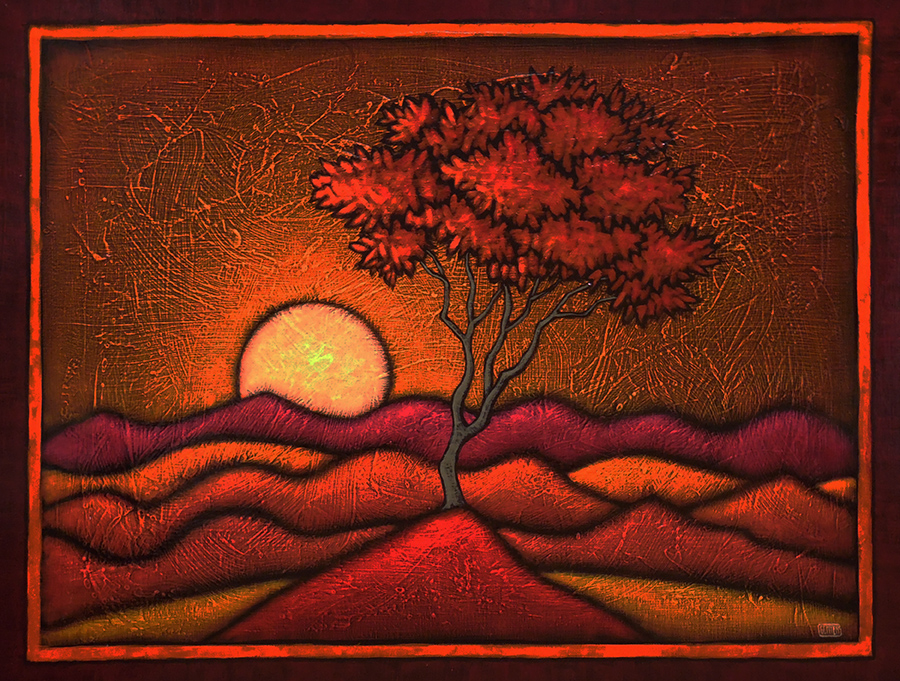
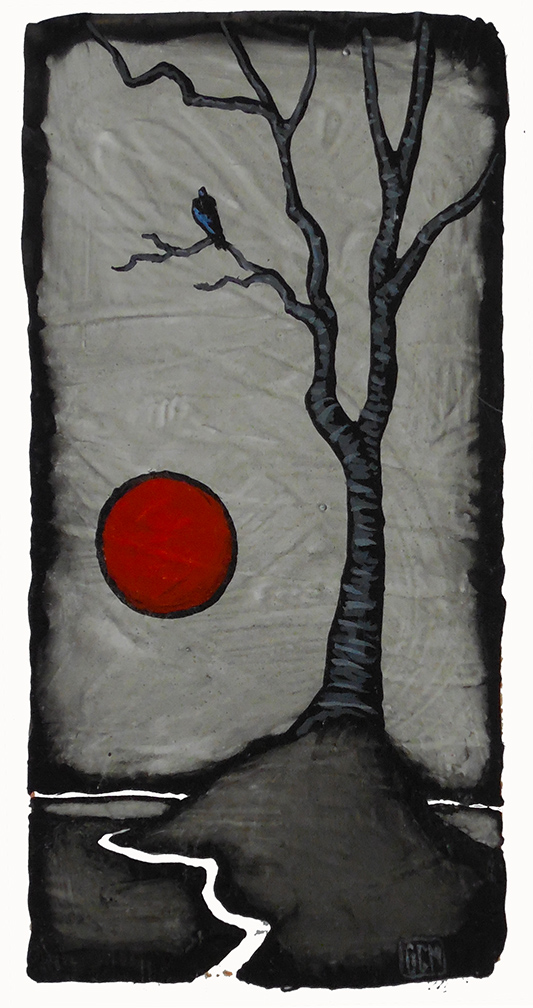
I’ve been looking at some early pieces lately, trying to differentiate in my mind how the work has changed over the years. I always come back to pieces like the one at the top, The Sky Is Always the Sky from back in September of 1995.
These early pieces focus on the emptiness of open spaces. I use the term emptiness because it seems to be devoid of all matter, save the space between the earth and sky. But I think a better term might be the Buddhist term sunyata which the Encyclopedia Brittanica defines as:
…the voidness that constitutes ultimate reality; sunyata is seen not as a negation of existence but rather as the undifferentiation out of which all apparent entities, distinctions, and dualities arise.
That infers that nothing — including human existence — has ultimate form or substance, which means that nothing is permanent and nothing is totally independent of everything else. Put in simple terms, everything in this world is interconnected and constantly changing, in a state of flux. To fully accept this concept of emptiness thereby saves us from the suffering caused by our egos, our earthly attachments, and our resistance and reaction to change and loss.
I think it was something close to this concept of sunyata that inspired early pieces like the one at the top even though I wasn’t aware to that term at the time. I do know that I felt there was more to the emptiness of vast space than met the eye, that there was meaning in the void.
As the Heart Sutra, the best known of the ancient Buddhist texts, states: Form is emptiness, emptiness is form.
Without knowing it at the time, I think this concept provided the strength in these early pieces. Their emptiness gave them form.
The reason I write about this today– and I have most likely wrote about this before as my memory is not what it once was– is that I was comparing work from back then and now and it has changed. Looking at this early work makes me realize that I was often more confident then than now. I wasn’t afraid to show emptiness with the thought that others would be able to see it as I did.
I don’t feel that I have that same confidence now.
And I wonder why this it is like this. It’s 26 years later and I have made a career out of my work. Shouldn’t I be even more confident, more assured in my message and how it will be perceived?
I don’t know that there’s an answer. Not sure I want or deserve one.
Things change. That is the natural course for all things. To fight against this change is an attempt to fill the emptiness.
And that can’t be done.
I may be talking through my hat here. I am trying to think out loud about concepts that are far beyond my meager mental skillset. But maybe just wrestling with this idea for awhile will spark something that will show itself in some new form that I can explore.
Maybe a new form of emptiness…

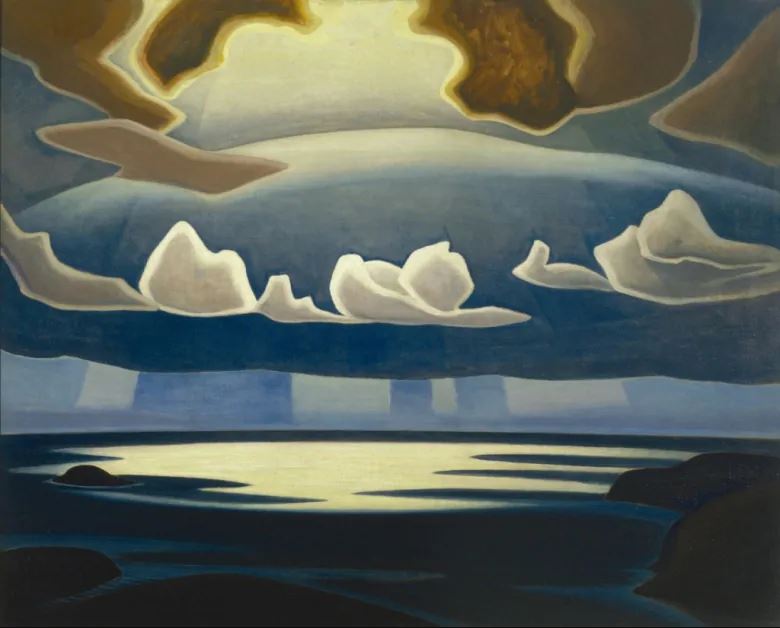
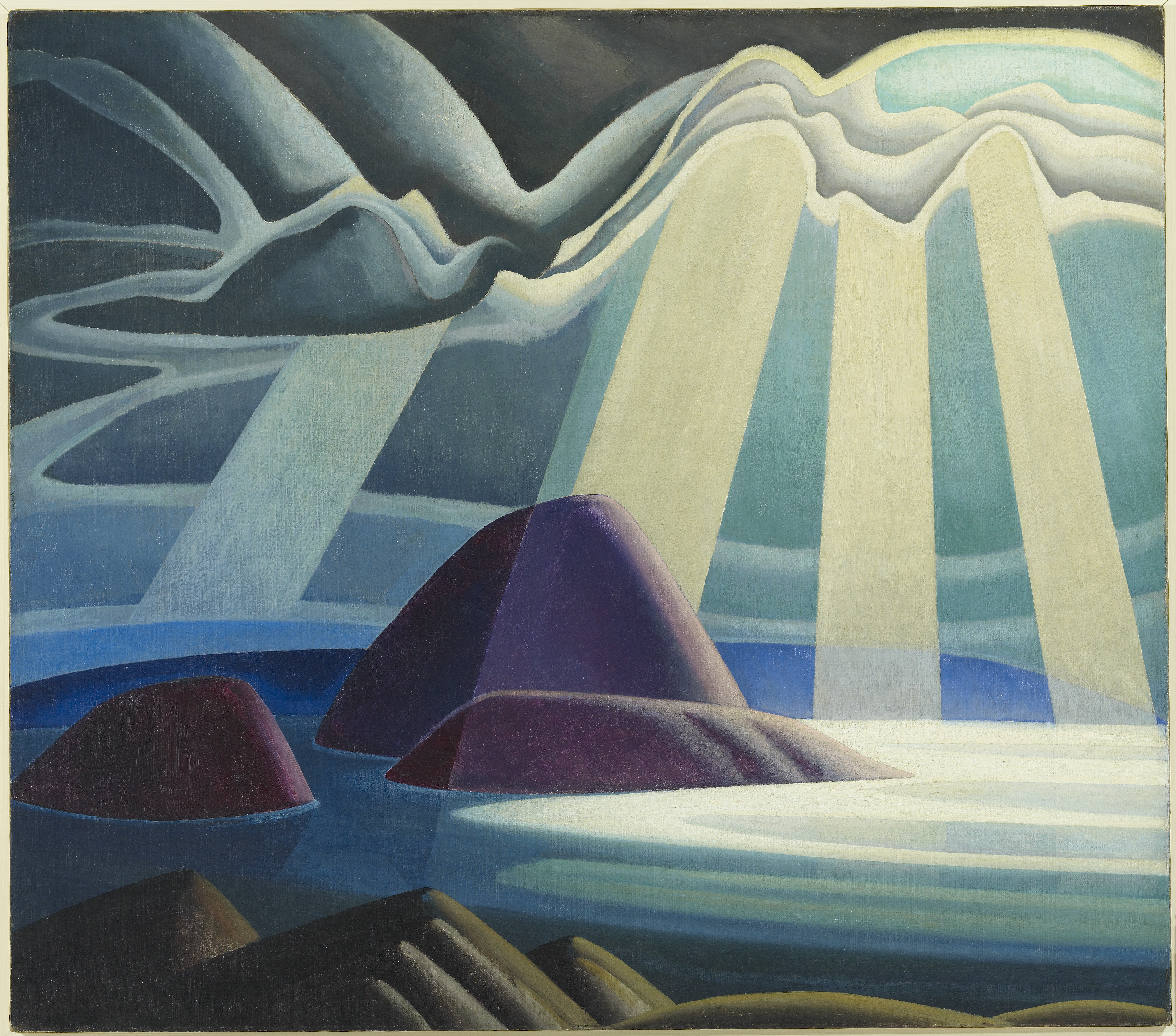
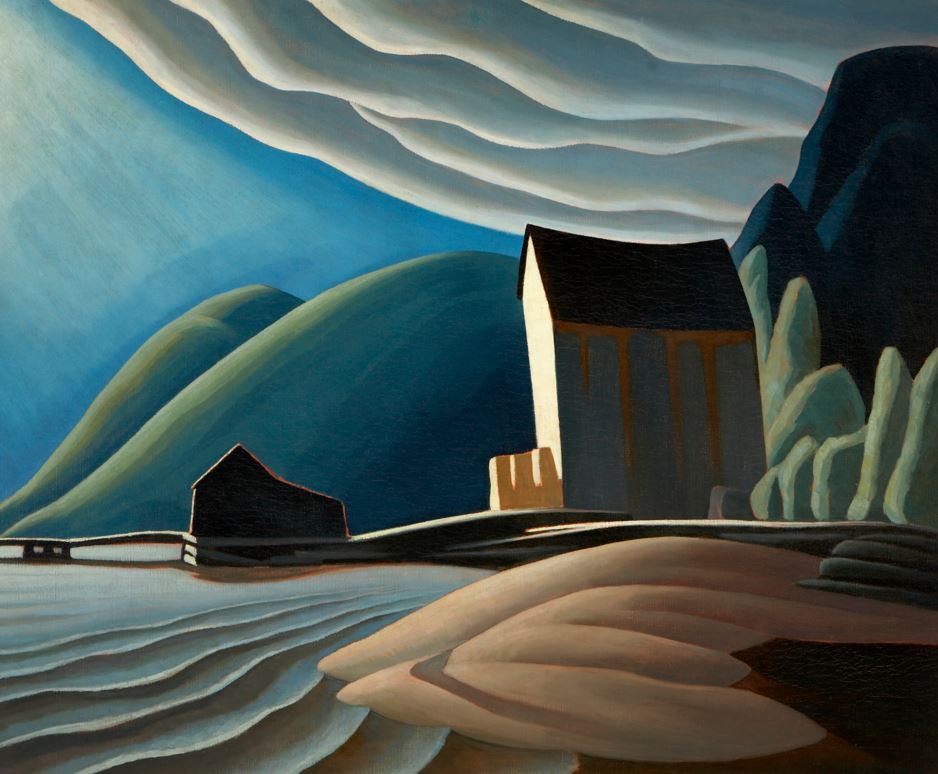
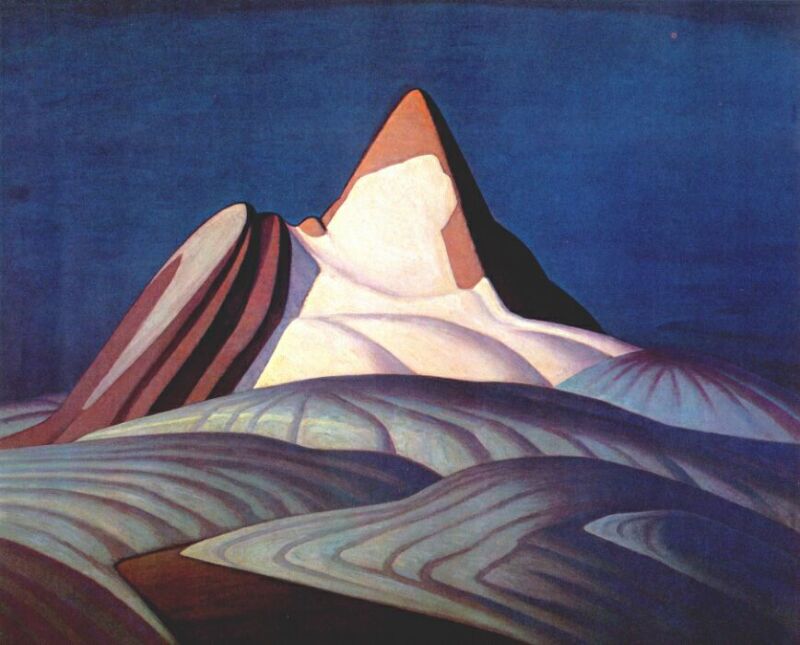
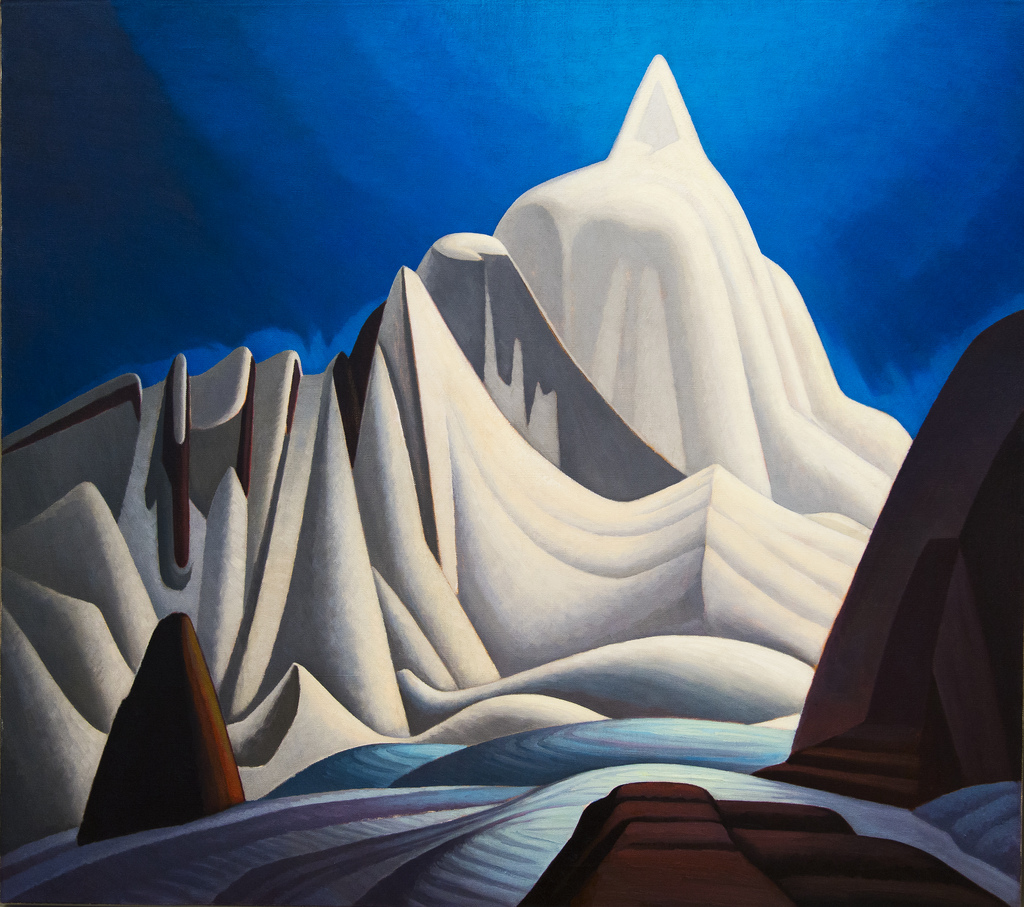

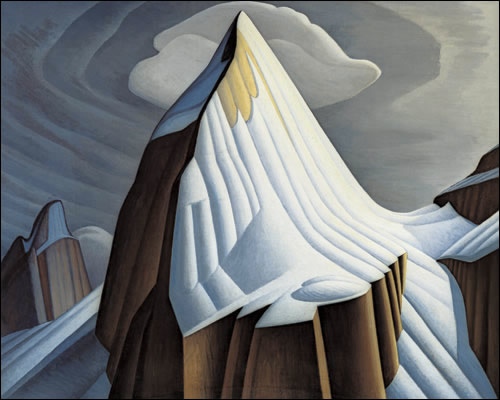
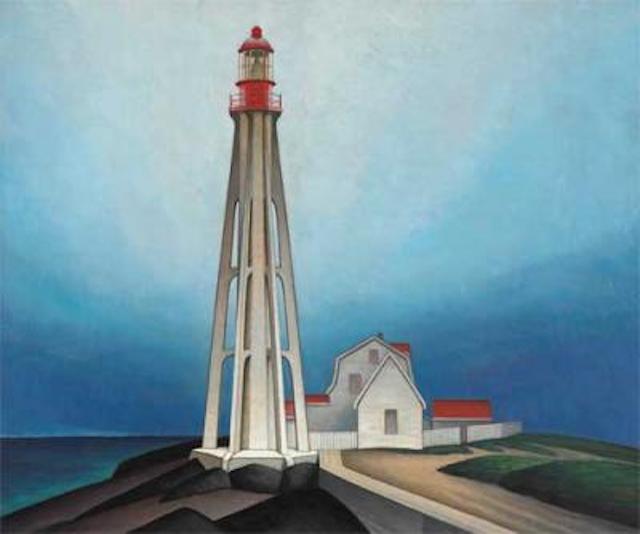
 Yesterday I tried to avoid the ceremonies and recollections that were part of the 20th anniversary of the 9/11 attack. I didn’t write anything yesterday for that same reason. Plus I didn’t want to offend anyone by saying something about wanting to finally move past these observations on a national scale.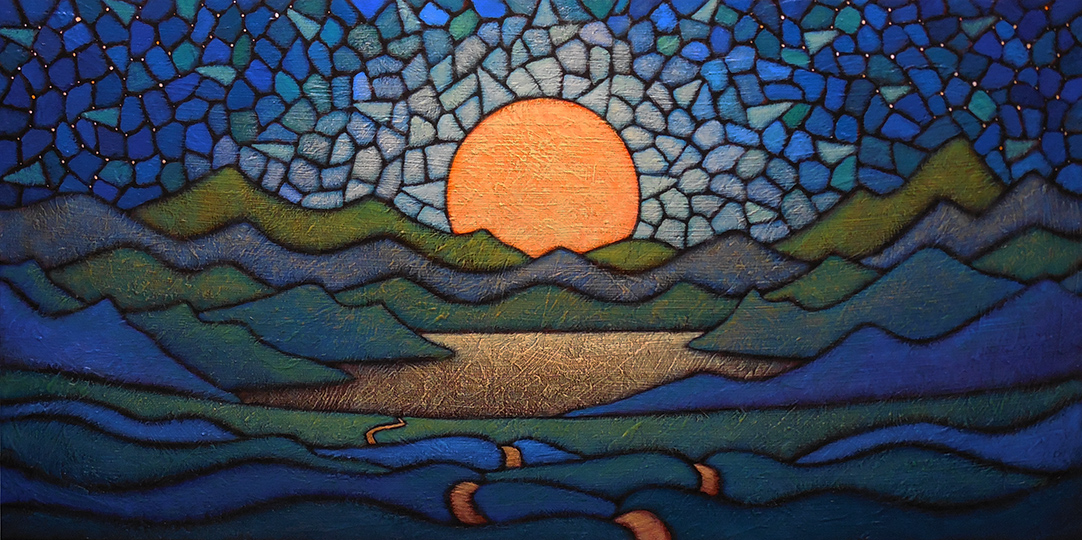

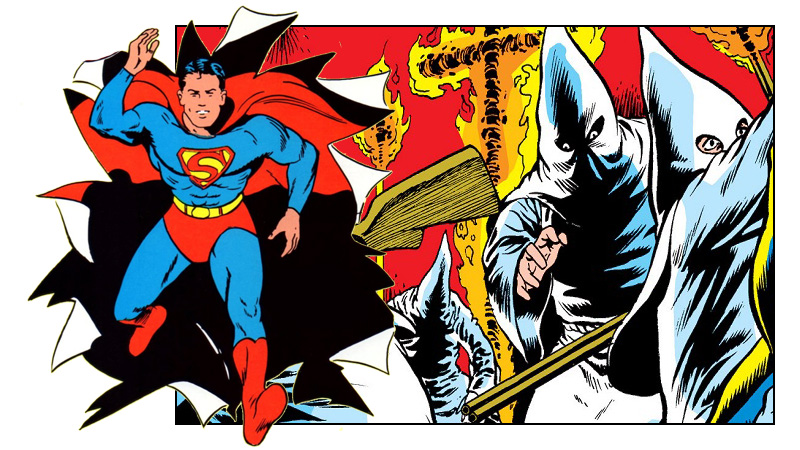
 Unable to serve in WW II because of a back injury, Kennedy turned his efforts to righting some of the injustices and dangers he saw in his own part of the world, primarily racial hatred and inequality. He infiltrated the KKK and wrote a book, I Rode With the Ku Klux Klan, which exposed the rituals and actions of the group and that ultimately led to a governmental crackdown on it, crippling the hate group for decades to come.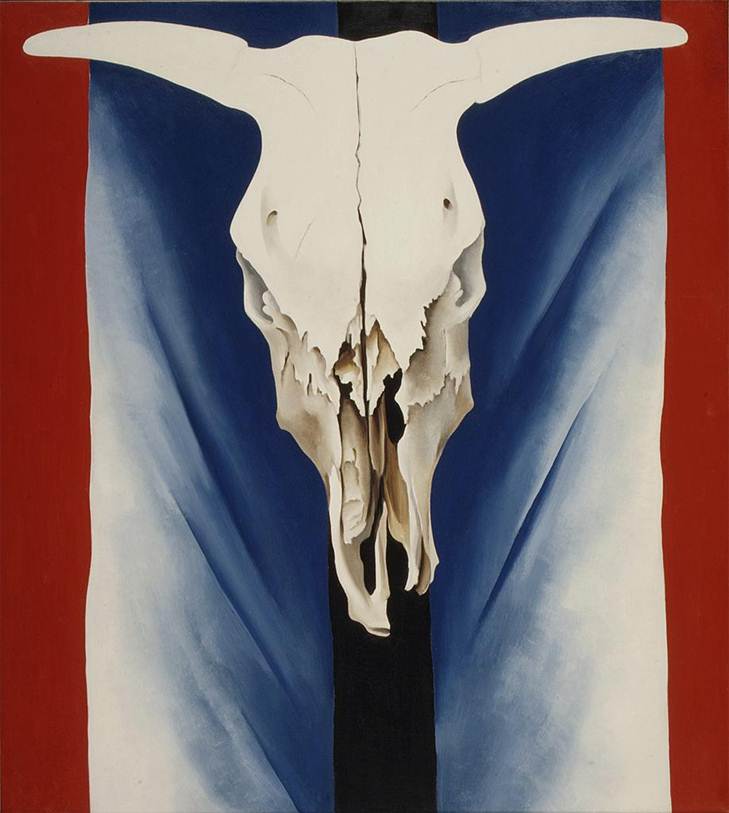
 I don’t know if I have talked much about Georgia ‘OKeeffe (1887-1985) here on the blog. Her work was a big influence on me when I was starting, especially with her use of bold, clear color and in the way she pared away detail in her compositions, leaving only the essential. Her lines and forms were always organic and natural, something in them almost creating a harmony or vibration that easily meshed with the viewer on a gut level.
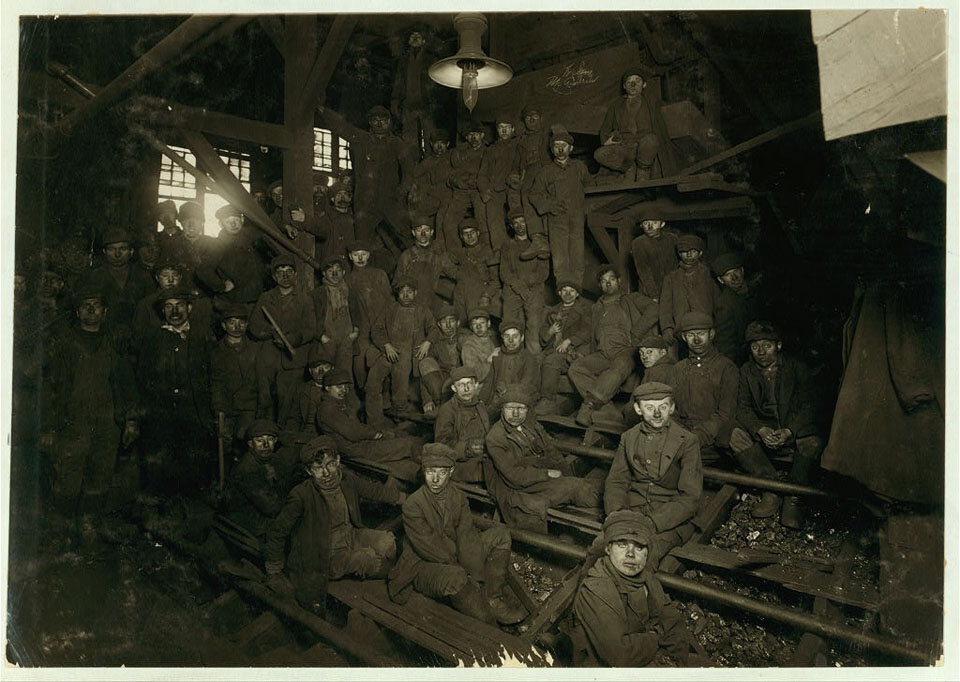
 Imagine your child (or your nephew or grandchild) at age 12. Imagine them spending 10 or 12 or even 14 hours a day, six days a week in one of the breaker rooms of a coal mine like the one shown here on the right. Hunched over in the gritty dust of the coal, they picked the coal for differing sizes and to sort out impurities. Imagine the men who are shown in the photo with sticks poking your child, perhaps kicking him to speed him up. Imagine all of this for seven and a half cents per hour.
 Redtree Times