Feeds:
Posts
Comments

Archive for the ‘Photography’ Category

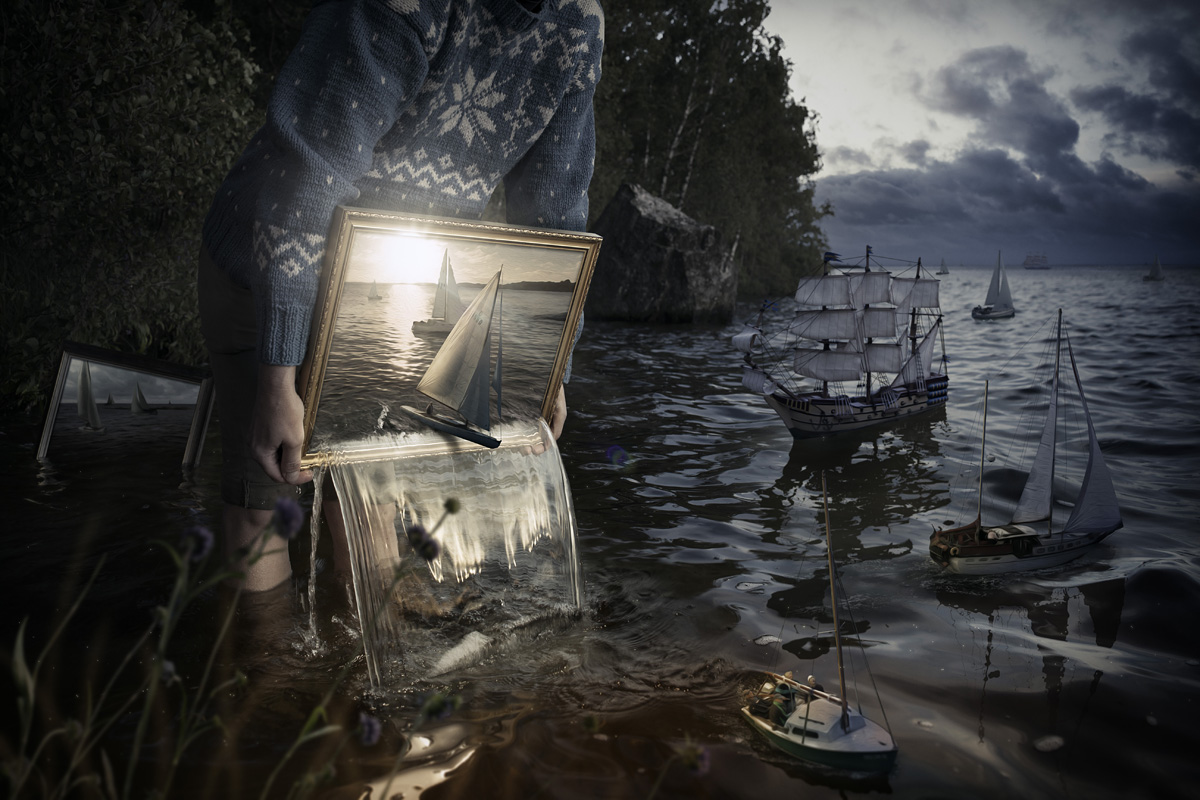
Erik Johansson Cut and FoldErik Johansson is a Swedish photographer working out of Berlin who has made quite a name for himself by taking the ordinary moment and inserting a twist in its perception through a very skilled manipulation of the photos, creating a new and surreal reality.  Johansson can look upon  a very mundane scene and see all sorts of other potentials. In his manipulated reality  there are row boats plowing through fields, a driver is faced with with a giant chrome ball that blocks his way and a biker comes upon a road that is cut like a piece of paper, its ends splayed high in the air above him.  Real life houses appear like those from an MC Escher drawing.  And that is just a small sample.

Erik Johansson ReverberateIt is an incredible combination of imaginative vision, skill and technology.  You can see more of his work at his website by clicking here.  There is also a wonderful blog on his site that gives a real inside look at his process, including a number of videos. Here at the bottom, there is one of these videos that shows in great depth the many layers of editing and manipulation that take place in composing  his photo, Cut and Fold, shown at the top of this page.  If you’ve ever used photo editing software such as Photoshop, you will appreciate his great skill.

If you don’t care how he came to his final product, it may take a way a bit of the mystery.  Or not.  I don’t know.

Anyway, it’s great fun so take a moment and let your mind wander into a different reality.

Erik Johansson The Architect Erik Johansson Rowboat Erik Johansson Set Them Free Erik Johansson Intersecting Planes Erik Johansson Greenfall Erik Johansson Nightmare Perspective

Read Full Post »

roller skating house theboatlullabiesOne of my favorite things to do online is to browse through some of the sites that feature found photographs, images that have been lost or abandoned by their original owners and picked up by others at flea markets, yard sales, etc.  Almost all are by amateurs and feature many day-to-day scenes of friends and families, some remarkable and some not so much.  Some a little bit too personal.  But there is something quite beautiful in the sum of them, an artfulness that is naturally gained and not thought out, much of it unintended.

I find a lot of inspiration in going through these images.  There is often a tangible sense of emotion in these images, something that makes me wonder how something that obviously meant something to someone at some point could be just set adrift.   How many of my own family’s photos are out there like these, lost ancestors floating around in some flea market bin?

Some, like the one shown here, which I call the Roller Skating House (obviously a house in the midst of being moved), are just neat images that pique my interest and imagination.  I found this at The Boat Lullabies which is a great site ran by the person behind Square America, a site that is now down but was an amazing collection of vernacular photography.  You can still find Square America on Facebook— a great page to follow.  Another great collection of found images is at FoundPhotographs.com.

Check out some of these sites.  They are fun and often thought provoking.


Read Full Post »

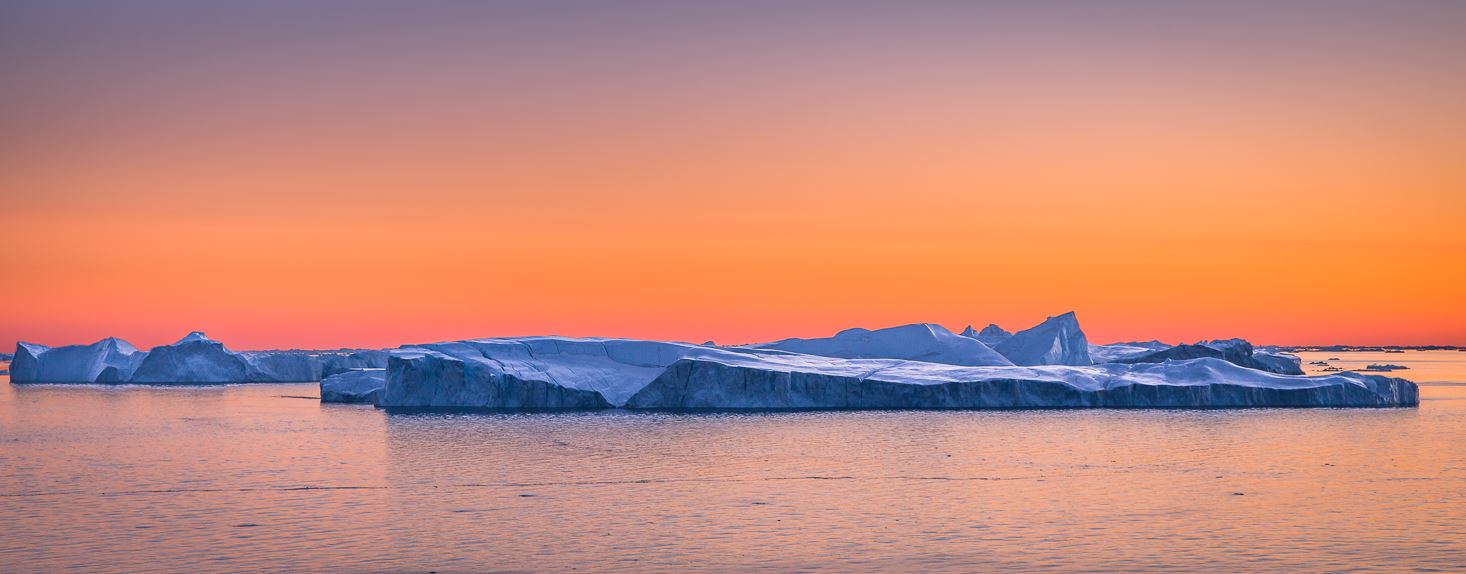
Photo by Joe Capra- Scientifantastic   Greenland Ice

Photo by Joe Capra- Scientifantastic Greenland Ice

I was browsing through a few websites that I haven’t been able to keep up with lately and came across this video shot in Iceland and Greenland by photographer Joe Capra aka Scientifantastic.  Capra specializes in ultra  high definition time-lapse photography, cinematography and still photography and has traveled the world for his assignments for clients such as the National Geographic, the Discovery Channel and Animal Planet.  It’s beautifully shot and lushly colored work that has earned Capra a reputation as one of the finest in his field.

This particular film was shot in Iceland and Greenland over the course of ten days as Capra sought to film the Aurora Borealis.  I found it very striking and found much in it that reminded me of some of my own work, particularly the shots that highlighted the starkness of the landscape and those where the color of the scene was transformed by the Northern Lights into odd shades and combinations.  Just a lovely short film with beautiful imagery, one in which I can find lots of inspiration.

For more info on Joe Capra and his work, click here.

Two Lands – Greenland | Iceland from SCIENTIFANTASTIC on Vimeo.

Read Full Post »

Dorothea Lange - Migrant Mother

Dorothea Lange – Migrant Mother

In a couple of days, on September 18th, there is a new exhibit of the photos of Dorothea Lange opening at the Fenimore Art Museum in Cooperstown.  If you don’t know the name, you still probably are familiar with her images which include the iconic photo shown here on the right, taken in 1936 while she was working for the Farm Security Administration.  Migrant Mother is one of those images that seem to capture with a glimpse all of the sorrow and hardship of those affected in the Depression-era Dust Bowl,  in this case a mother forced to leave her home and wander in search of work that will provide for her children.

Her worry is etched on her face.  While John Steinbeck‘s book The Grapes of Wrath brought the plight of these displaced farmers of that time to the light, it was  Lange’s imagery that  gave them  a sense of humanity  and dignity that reached out and created an empathy with the viewer.  It was powerful, plain and simple.

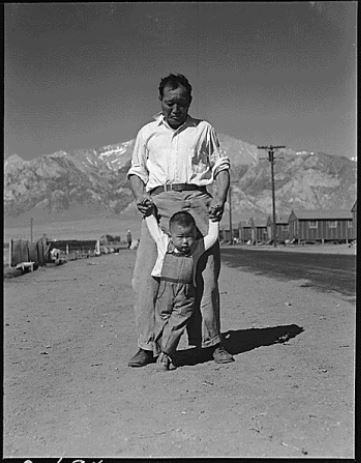
Dorothea Lange- Grandfather with grandson  at Manzanar CA Camp

Dorothea Lange- Grandfather with grandson at Manzanar CA Camp

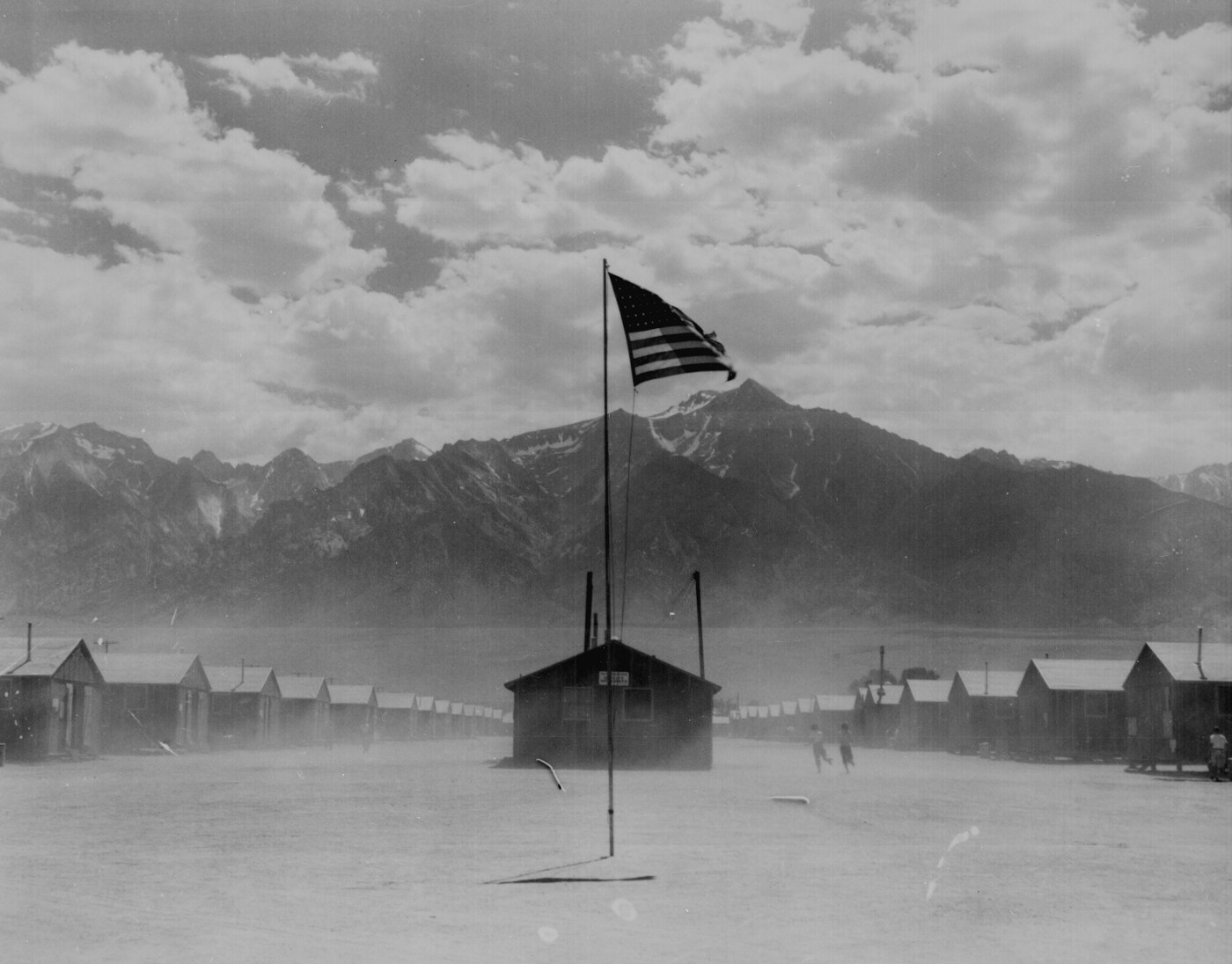
Some of her most powerful work came from an assignment she took with the War Relocation Authority during  WW II, when she was hired to document the interment of Japanese-American citizens.  Lange captured the humanity of these prisoners of race at a time when even the liberal and progressive elements in this country maintained silence over the shameful treatment of these citizens.  The photos were censored by the army during the war and were never seen until they were quietly moved to the National Archives, almost 50 years later.

Lange lived from 1895 until 1965, surviving the polio as a child which left her with a distinct limp for the rest of her life.  But neither the limp nor the chronic ulcers that plagued her for the last decades of her life could slow her down.   She sought to affect social change with her images, to give voice to the disenfranchised and down-trodden.

So, if you’re in the Cooperstown area, I highly recommend stopping in at the Fenimore Art Museum to see this work by this giant of American photography.  I know that I am looking forward to seeing it.

Dorothea Lange-  Flag  at Interment Camp at Manzanar CA

Dorothea Lange- Flag at Interment Camp at Manzanar CA

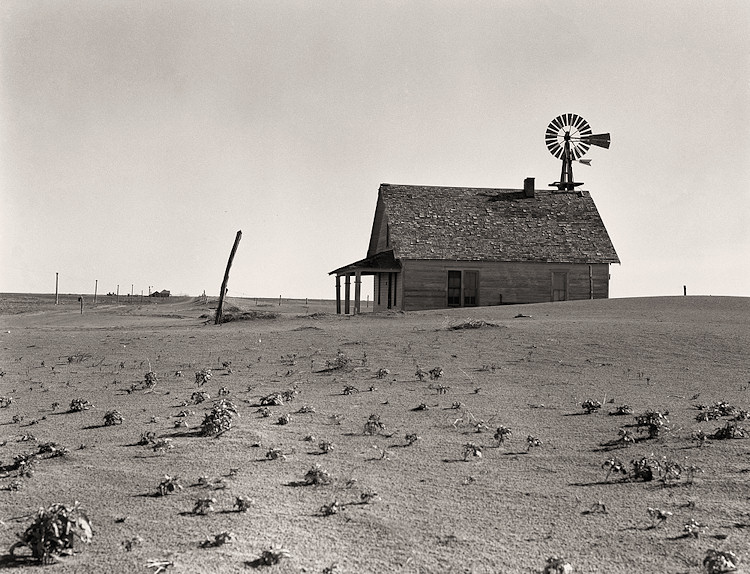
Dorothea Lange Dust Bowl Farm Dalhart Texas

Dorothea Lange- Dust Bowl Farm, Dalhart, Texas


Read Full Post »

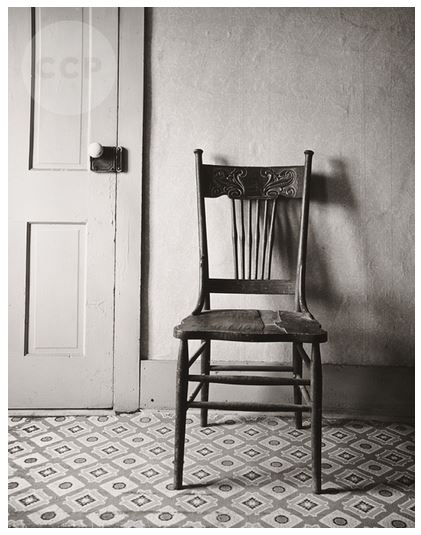
Writght Morris- Straightback Chair, The Home Place

Writght Morris- Straightback Chair, The Home Place

One of the most common questions I am asked at gallery openings or talks is about the meaning behind the Red Chair in my paintings.  I always struggle to answer.  Maybe because the answer is always changing for me.  I don’t really know.  I do know that I use it in my work because the chair is such an identifiable image that is known to anyone in nearly any culture and has an inherent meaning in its form.  A place to sit and rest. Or eat. Or converse. Or any number of things.  It is simply an icon of human existence.

But looking through some photo sites I came across the work of Nebraska-born photographer/writer Wright Morris (1910-1998).  His stark and striking images of the Plains will seem very familiar to anyone who saw last year’s Alexander Payne film, Nebraska.  I don’t know but would not be surprised if Morris’ imagery was a big influence on the visual look of the black and white film.

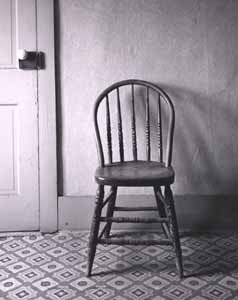
Wright Morris- Chair, The Home Place

Wright Morris- Chair, The Home Place

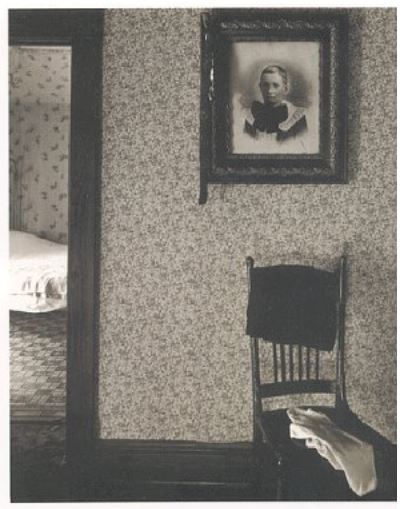
But while looking at some of these photos I came across a few images of chairs in a farmhouse.  They were from a book of his titled The Home Place, a photo-novel telling the story of a man’s one-day visit to where he had spent his childhood in Nebraska, the home place.  The images were very evocative and looking at them, it dawned on me that the meaning of the Red Chair was the same.  It was so obvious– it was the Home Place.  The place where you have a chair in which to sit, accepted as a part of that place.

It is simple yet powerful, like Wright Morris’ photos.

It’s good to have an answer to give now when someone asks…

Wright Morris Picture of Boy- The Home Place

Read Full Post »

Photo by Sean Hacker Teper/ National Geographic Traveler Photo Contest

Photo by Sean Hacker Teper/ National Geographic Traveler Photo Contest

This photo, taken by Sean Hacker Teper, was one of the finalists in the 2014 National Geographic Traveler Photo Contest.  This photo, taken at the End of the World swing in Banos, Ecuador, captures a man on the swing overlooking an erupting Mt. Tungurahua on February 1st of this year.   Shortly after the photo was taken, the area was evacuated because of an incoming ash cloud.

This photo captured my eye immediately.  It reminds me of a Maxfield Parrish painting with the blue of its sky and the way the sunlight illuminates the spewing ash cloud and the trees in the foreground.   The swinging man’s posture along with the color and airiness give this a sense of whimsy and delight that makes an interesting contrast to the sense of fear and wonder produced by the erupting volcano.

To see the rest of the top photos from this contest, click here.  There are some amazing shots.

Read Full Post »

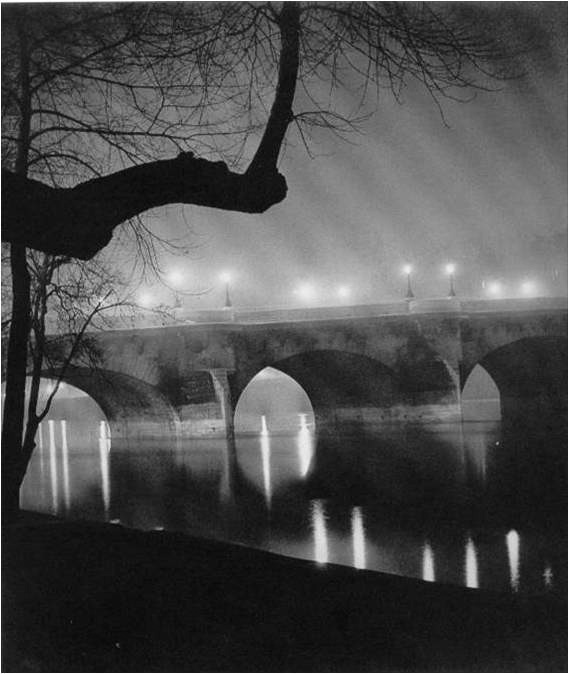
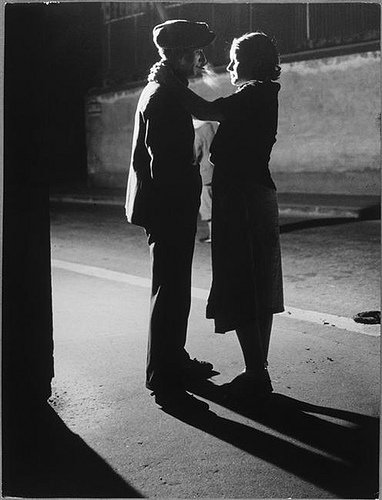
Brassai_1899_1984__ Paris 6I realized after publishing yesterday’s post that, while I had shown the work of many great phtographers,  I had never before shown any of the photos of Brassai here.  That was an oversight on my part.  Called the Eye of Paris by his friend Henry Miller, Brassai’s work is iconic and defines the perception that many people have of Paris in the first half of the last century.

Born in Hungary with the name Gyula Halasz  in 1899, he studied art and served with the Austro-Humgarian army in World War I.  After the war, he found his way to vibrant Paris, filled with the great artists, writers and musicians of the time.  He adopted the pseudonym Brassai  from the name of his hometown and soon was photographing the city that he so loved  and was his home for the rest of his life, until his death in 1984.  His photos of Paris captured its high life and its low life, with photos of the great artists and thinkers that made their way there alongside the photos of decadent parties and photos of the brothels and the prostitutes along the city’s avenues.  For me, when I think of Brassai I think of his night scenes that capture the shadows and mist of the city as well as the lovers who embrace on the darkened boulevards.

It’s powerful work, work that evokes both a time and a place as well as a feeling.  Brassai was indeed the Eye Of Paris and I’m pleased to have taken care of my oversight here.  Most of these photos are from the early 1930’s.

Brassai_1899_1984__ Paris 11 Brassai_1899_1984__Paris 8 Brassai_1899_1984__Paris 5 Brassai_1899_1984__Paris 10 Brassai_1899_1984__Paris 9 Brassai_1899_1984_Paris 2 brassai_Couple_d_amoureux_sous_un_r_verb_re_1933 Brassai_1899_1984__Paris 7 Brassai_1899_1984__Paris 3 Brassai_1899_1984__Paris 4Brassai Notre Damebrassai_theeiffeltowerattwilight

Read Full Post »

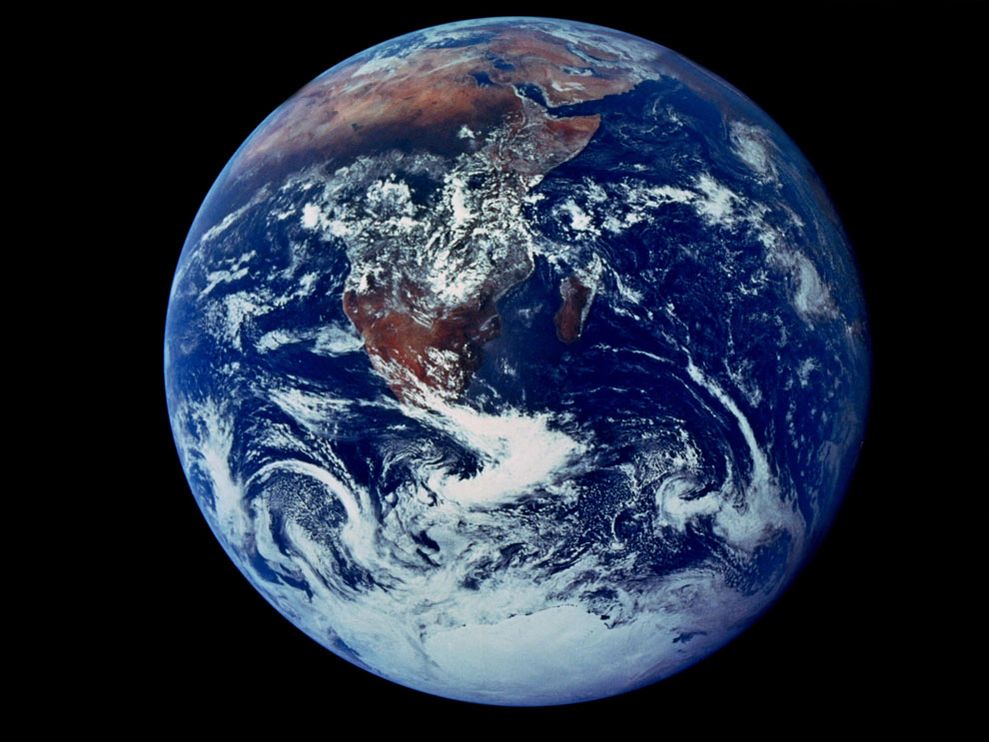
earth-full-view 1972It’s hard to believe that the first time we were able to see the Earth in full-view was a photo taken a little less than 42 years ago, by the the Apollo 17 astronauts in December of 1972.  This Blue Marble  image that changed our view of who we are, allowing us to see ourselves from the outside as a whole,  and became part of our worldview.  It is an image that is so powerful that we immediately absorbed it and it seemed as though it had been with us forever.  Yet it is a relatively young image for us.

From looking down on Earth from space, many astronauts have had an experience that has been called the Overview Effect.  It is a  sense of awe and sudden understanding as they see the relationship of all things on the planet to one another and how little protects us from the harshness of space.  They sense that we are all interconnected and all actions effect the whole.

It is a  mind-altering view.

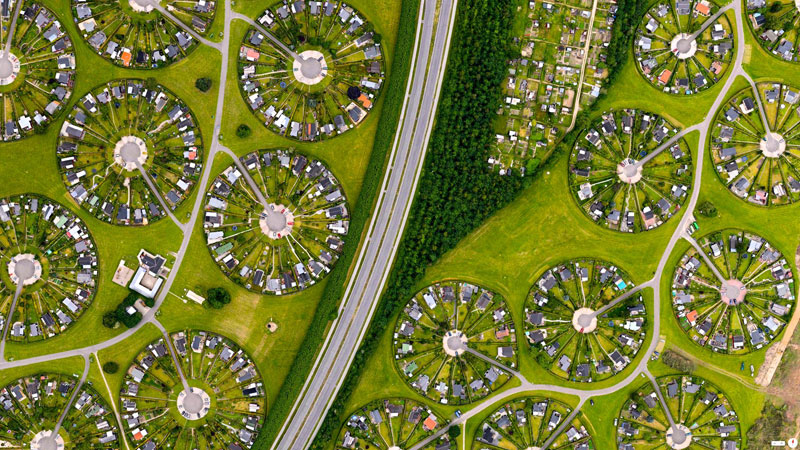
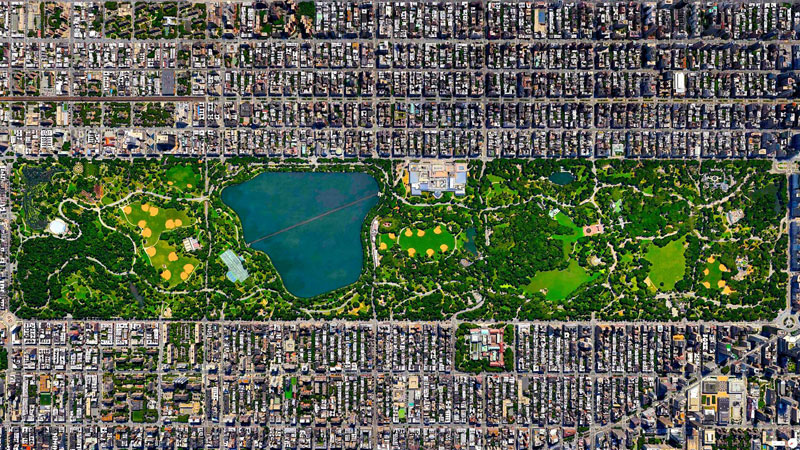
There is a website called the Daily Overview that has a film  that, with the help of several astronauts, t describes the Overview Effect .  The website also  features striking shots of Earth taken from satellites on a daily basis.   Most of the images are of man’s transformation of the environment , some startling in the way they scar the face of our planet and others with a highly patterned beauty.  I have always been attracted to overviews of the landscape, to take that different perspective, so this is a natural for me.  I believe this is as close to being an astronaut than I will ever be.  Check out their site to see many, many more views.

Daily Overview -boca-raton-florida-from-above-aerial-satellite Daily Overview -brondby-haveby-denmark-from-above-aerial-satellite Daily Overview -central-park-new-york-city-from-above-aerial-satellite Daily Overview vineyards-in-huelva-spain-from-above-aerial-satellite

Read Full Post »

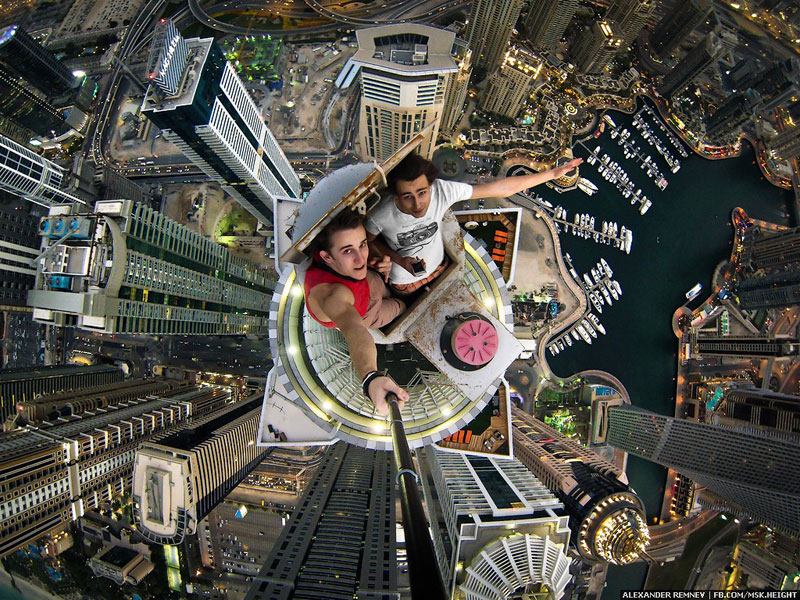
selfie-atop-the-princess-tower-by-alexander-remnevI am getting ready to start a very busy Friday as I am in final preparations for my solo show at the Principle Gallery. The last few details on a couple of paintings and assorted other tasks are on the agenda but I wanted to share this photo that was on TwistedSifter. It’s from a young photographer, Alexander Remnev, who was vacationing in Dubai. Remnev is a fan of rooftops and was touring the lofty rooftops of the soaring skyline of Dubai. He and friend went to the very top of the Princess Tower, which at 101-storeys and 1358 feet tall is the tallest residential tower in the world, and took this incredible selfie.
It’s a pretty amazing image, filled with striking details.  I think Mr. Remnev deserves the title as King of the Selfies until someone can knock him from his high throne.  You can see more of his high wire shots of Dubai at his LiveJournal blog.

Okay, on to the work at hand…

Read Full Post »

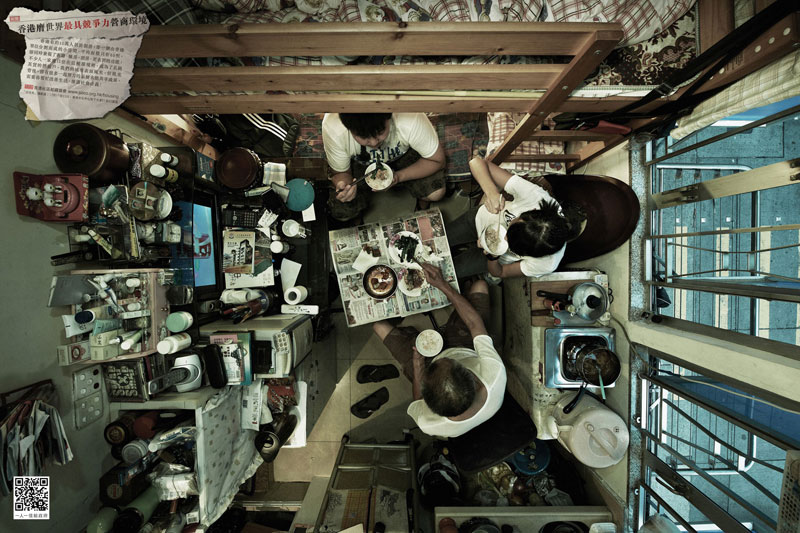
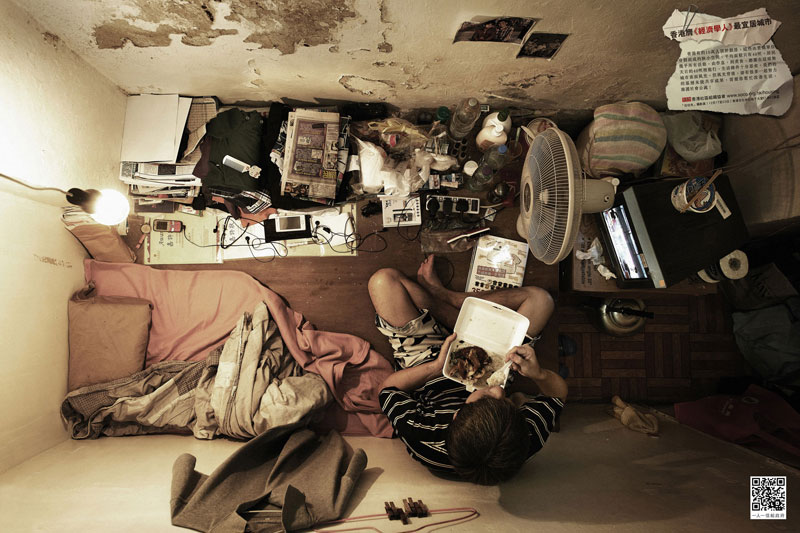
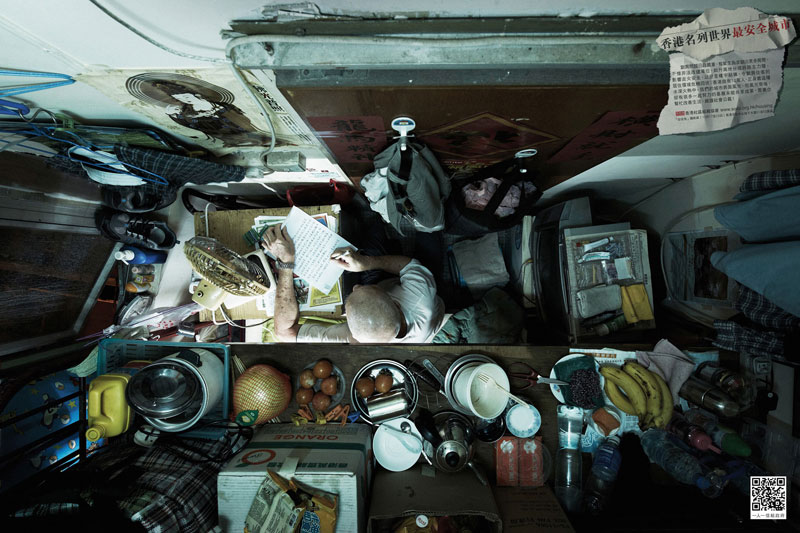
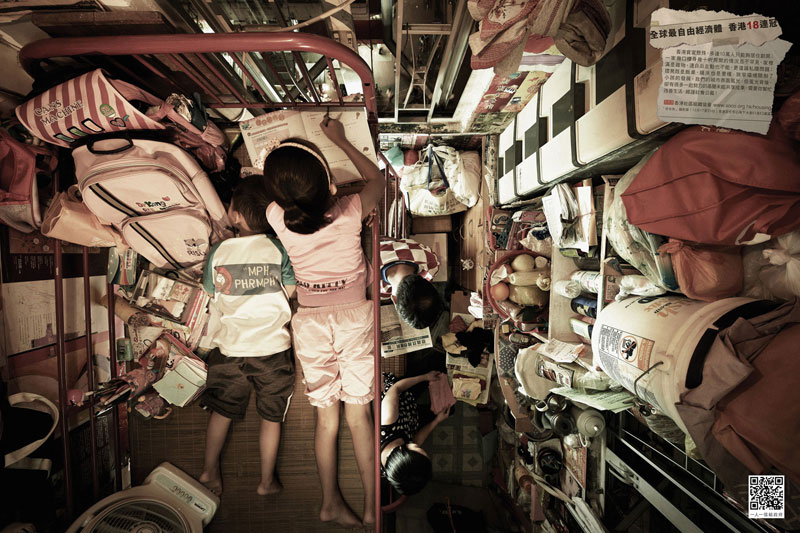
cramped-apartments-from-above-hong-kong-soco-4I showed some photos yesterday of the high-rise apartments of Hong Kong, shot in a way that used their repetitive nature to form almost abstract imagery.  It was interesting but the thing that stuck with me was how those people in these environments adapt in their day to day lives.  On the page with these images, there was a link to some birds-eye views of cramped apartments in Hong Kong.  These gave me an answer in part.

Cage Homes in Hong Kong

Cage Homes in Hong Kong

It turns out, that while there is great wealth and luxury amid the soaring skyline of Hong Kong, there is a huge housing crunch especially for the less than affluent.  The Society for Community Organization (SoCO) in Hong Kong took these images to convey a sense of the less than perfect living conditions there.  They estimate that there are over 200,000 names on the waiting list for public housing with over 100,000 people living in sub-par housing such as cagehomes, which is where you basically live in a  dog cage stacked among groups of other cages.  They are large enough for you sleep in and hold a few possessions.  During the day, you can close the cage and lock it to protect your things.  There is a common bathroom and some of these cage communities in old tenement buildings can house up to a thousand people.  The average rent for a cage is about $170 per month with the lower cages costing the most.  Location, location, location.

These images are fascinating in an anthropological way but I can’t help but put myself in the place of some of the people shown here, to feel great empathy for their situations.   Though I have great faith in the adaptive powers of humans, I don’t know how well I would fare in such an environment.

These images make me appreciative of the good fortune that has allowed me the open space around me and the life I currently enjoy.  I hope seeing these images makes you think of yourself in them and makes you feel an appreciation for your own good fortune.

cramped-apartments-from-above-hong-kong-soco-1 cramped-apartments-from-above-hong-kong-soco-2 cramped-apartments-from-above-hong-kong-soco-3


Read Full Post »

« Newer Posts - Older Posts »