
Greenie’s Barn, 1994– Now at West End Gallery
There is surely no greater wisdom than well to time the beginnings and endings of things.
–Francis Bacon, Of Delays, 1625
I came across the post below from a couple of years back this morning and thought I would use it to accompany the painting shown above. It’s a small watercolor from 1994 called Greenie’s Barn. It represents for me a beginning as it was painted in that period where I was discovering an artistic voice, at a point coming after what I feel was the major breakthrough in my development. Everything was fresh and exciting, with new discoveries coming with every session of painting. I look at this painting and that jumps out at me because I can remember how thrilled with what I was seeing in this small piece at the time. I loved it the colors at its edges, the ragged nature of its form, its quietude and contrast of light and dark. All things I desired in my work. It felt like it was signaling a direction for me to follow, as though it were a weathervane on that barn.
The barn itself reminded me of the old barns in this area. Many that I knew as a youth have long fallen to the ground from neglect as the farmers who built and used them for generations died out or moved into other forms of work. I see some now, teetering and ready to fall, sections of their roofing peeled back, exposing their roofbeams, and I feel a sadness for them. They were such important structures in their time, often maintaining an almost regal presence in their landscape, and now their kingdom was gone.
So, for me, this small painting of a barn represents both beginnings and endings. I don’t know why I named it Greenie’s Barn. It just felt right at the time and I remember referring to barns by their owners’ names as a kid. It has been with me for 30 years now and I never wanted to offer it in a gallery, but I felt now was the time. It’s at the West End Gallery now as part of their holiday show.
The post below from a few years back deals with beginnings and endings as well. It ends with this week’s Sunday Morning Music selection.
I tromped up through the woods yesterday. The snow wasn’t deep and it was cold enough to freeze up some of the boggier parts of the hillside so that I could wander through. It was something I hadn’t done for some time. Too long. Even though it’s only less than a quarter mile up in the woods, it seems like a world removed from the home and studio down below, which themselves often feel far removed from the world at the end of our long driveway.
It’s quieter than down below, the trees and the terrain muffling sound. The crunch of the snow underfoot is clean and clear. It’s a good sound.
With the snow on the ground and the leaves now gone, I could see deeper into the woods. I was able to better see the individual trunks and crowns of the trees. Some were like anonymous people in a crowd scene in a film, not really standing. While I could still appreciate their individual beauty, they didn’t stop my eye.
It was the bigger trees that jumped out at me, the beech and maples and the now dying ash trees that have been ravaged by the borer beetles. It made me think how loggers must look through the woods, their eyes measuring and taking in the shape of each tree until one large tree sets off their inner alarms. It made me wonder how my great-grandfather, who at the age of 17 first set out into the Adirondack forests in 1872 leading his own crew of loggers, would look through these woods. Would he simply see the trees as a form of income or would he look upon them as companions? After all, this was man who spent much of about 60 or so years in the deep woods in all sorts of weather conditions, most of the time coming before the use of tractors and chainsaws.
It’s one of those times when you wish you had a way to spend a few minutes speaking with an ancestor.
As is always the case in nature, the forest reminds you of the beginnings and endings. The floor of the forest is littered with dead trees that have tumbled over in wetter and windier times or, in the case of the mighty ashes that have died from the damage of the beetles, rot then fall in large chunks until all that is left is the lower trunk of the tree. The remnant ash trunks are sometime twenty plus feet tall.
I am always a bit sad when seeing these dead trees who by virtue of location and environment didn’t last as long as they might have in other places. But even so, among their bony remains on the forest floor new saplings and young trees abound, all straining upward trying to push their faces to the light.
It’s a reminder of the inborn desire to struggle and survive that is present in all species. We all desire to exist, to feel our faces in the sunlight of this world. But, as the forest points out, we all have beginnings and endings.
And that’s as it should be. How would we be able to appreciate this world, to see it as the gift it is, if we knew our time here was without end?
I don’t know the purpose of this essay. I simply started and this is what it ended up as. A beginning and an ending…
Here’s a song that is about beginnings. Not a holiday song. You most likely will get your fill of those everywhere else. Not to say I won’t play one or two in coming days but today let’s go with From the Beginning from Emerson, Lake & Palmer.
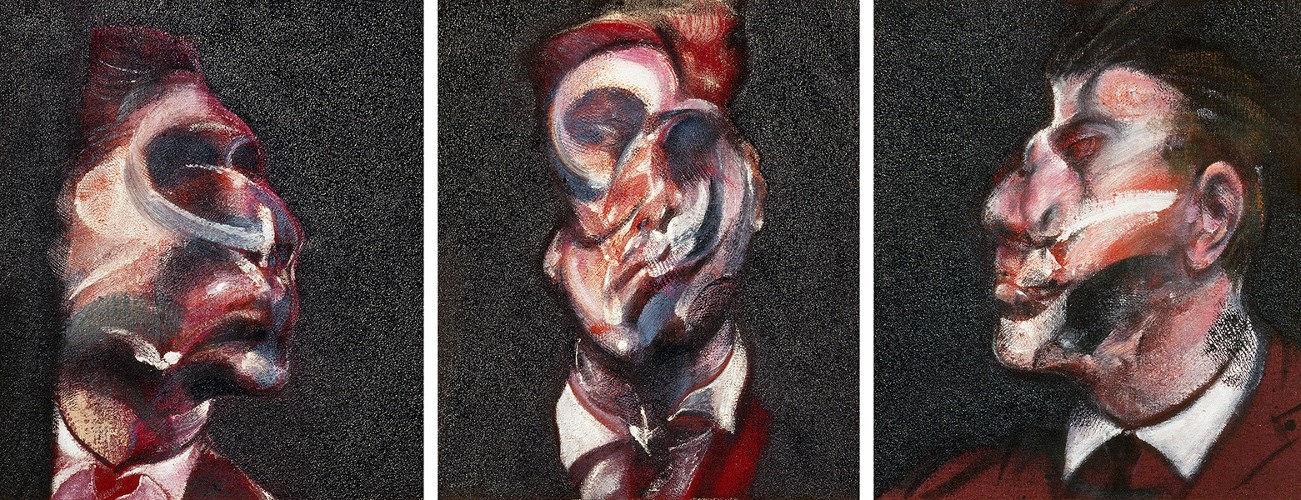
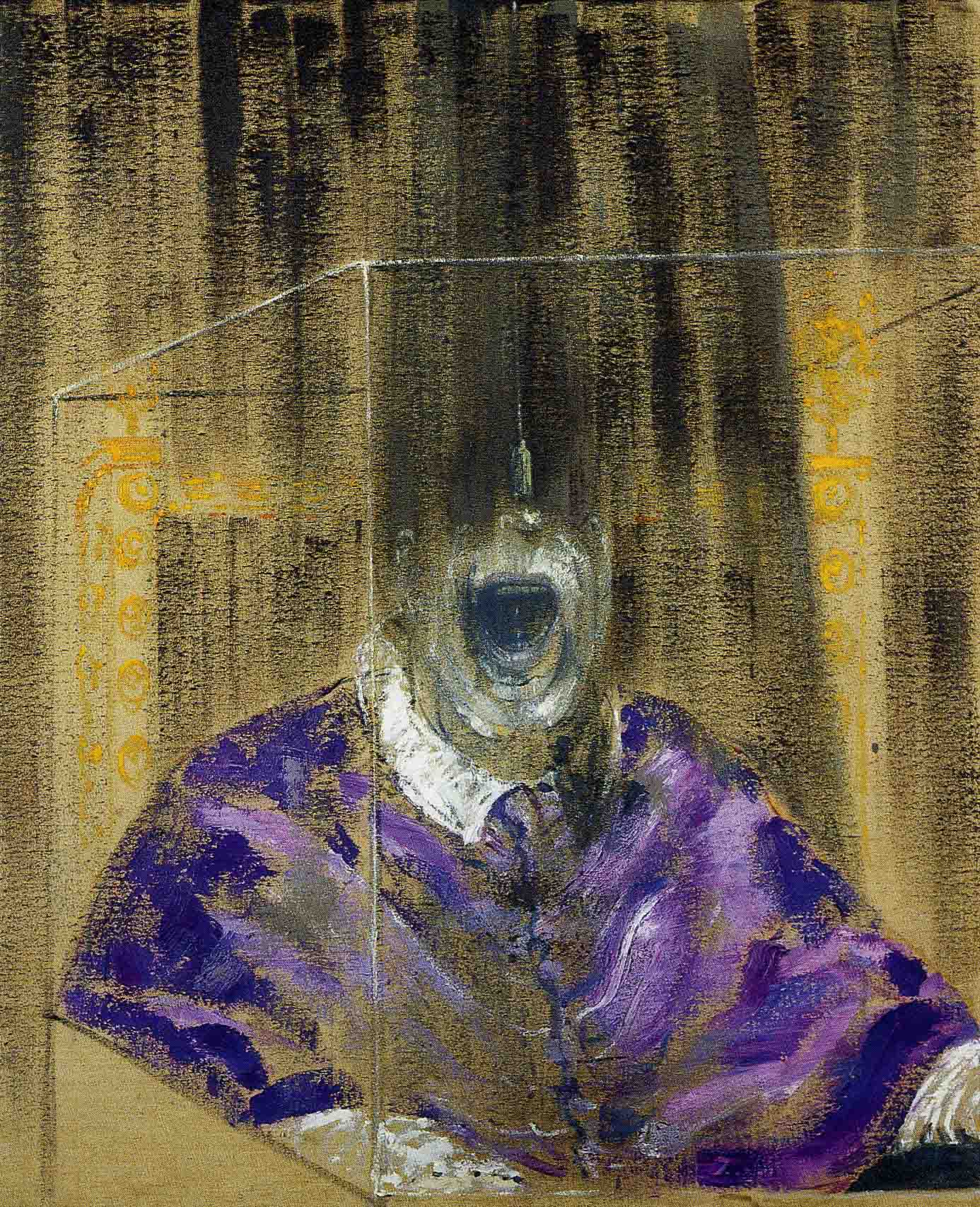


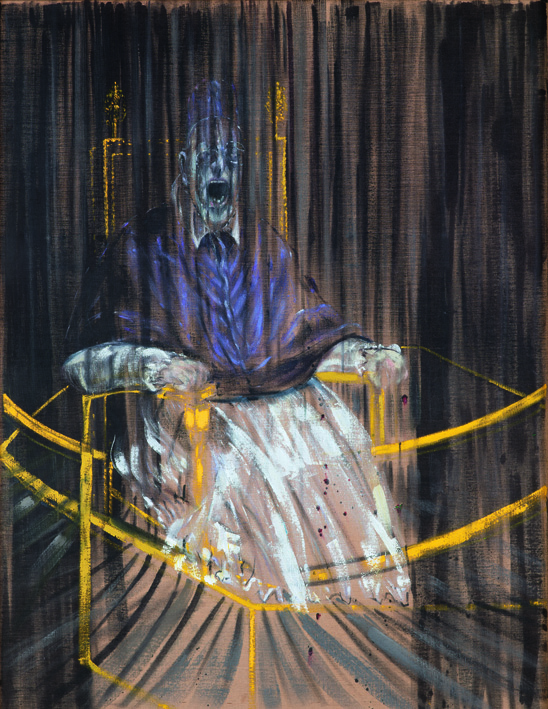


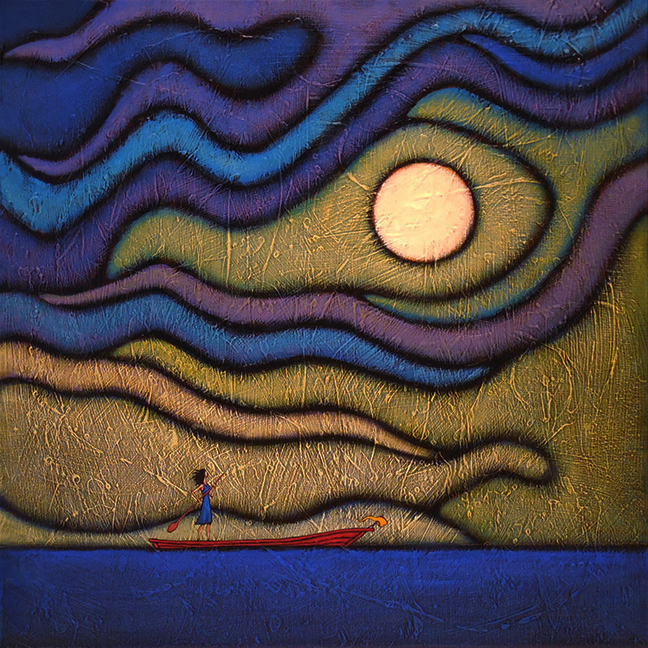

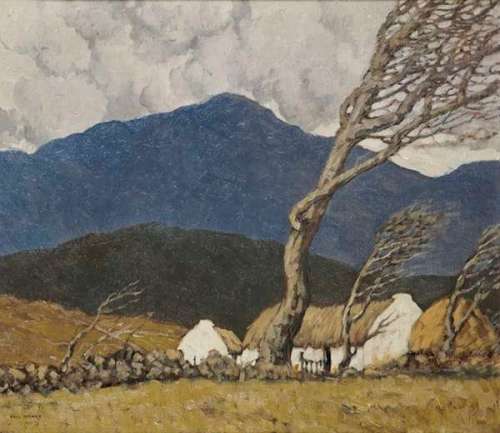
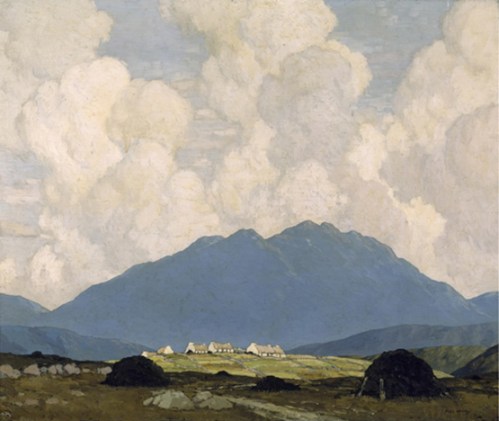
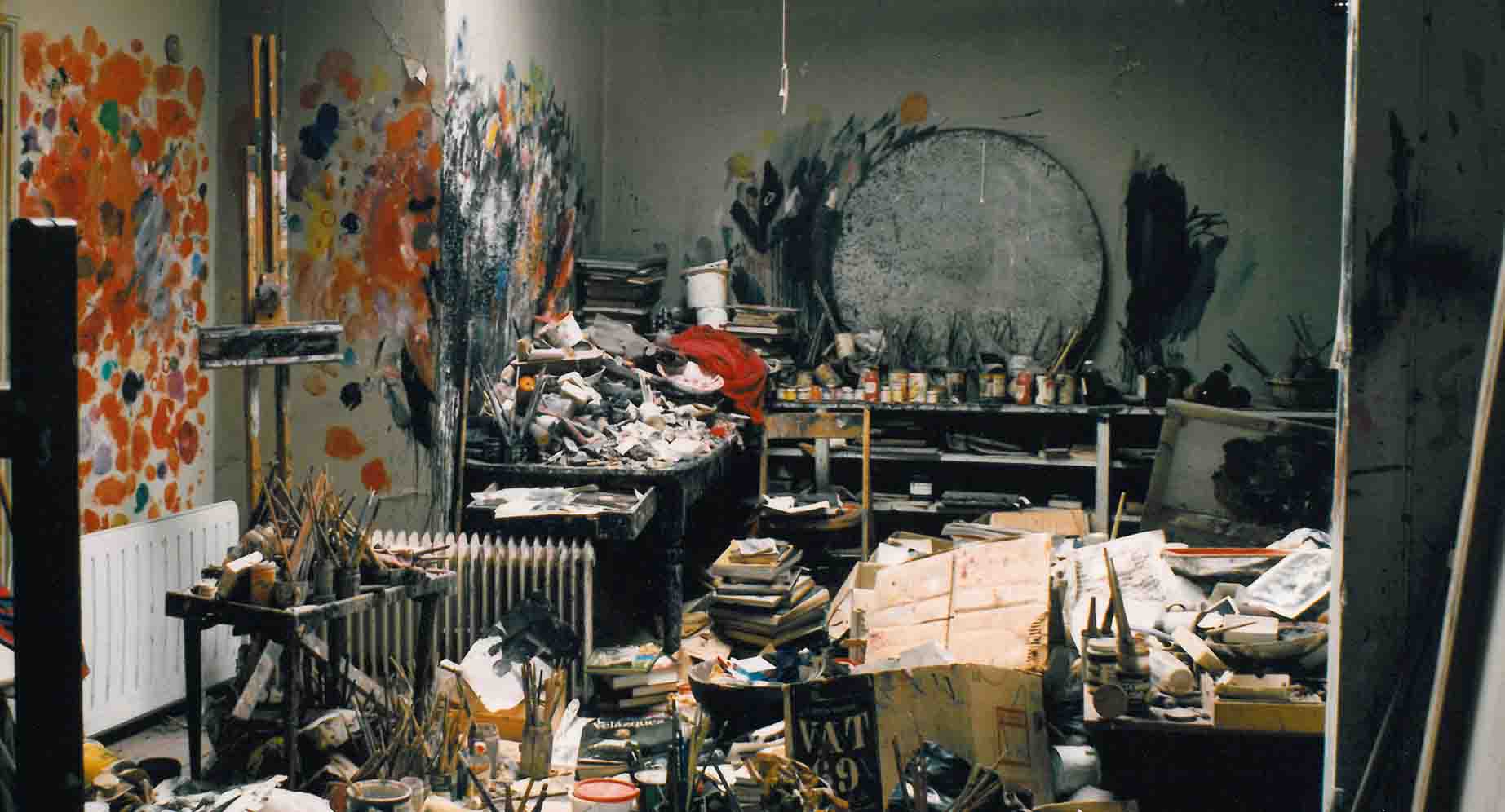
 I thought since this was St. Patrick’s Day that I would feature an Irish painter. There are a couple of obvious choices– Francis Bacon and Jack Butler Yeats, for example– but I chose Paul Henry, who spent his life painting his native Ireland from 1877 until 1958. He was perhaps the best known painter in Ireland through the first half of the 20th century though many of us here in the States may not recognize the name.






 Redtree Times